

 OMG Nepal
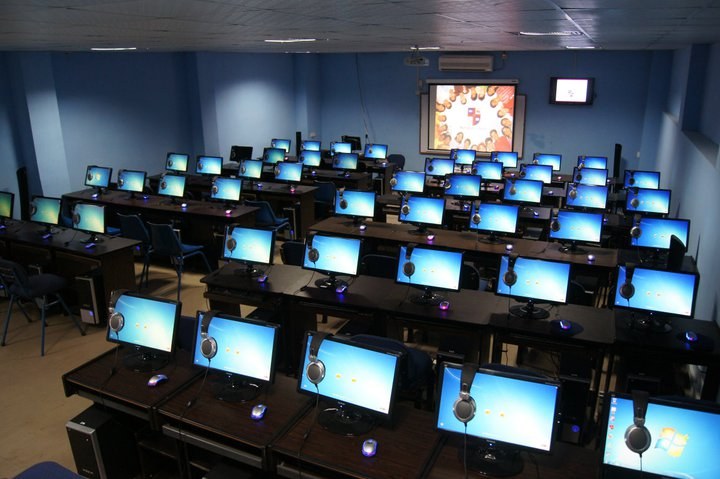
A multimedia lab at Islington College in 2011. Contextual photograph; not the Lalitpur AI-literacy pilot.
Drafting a notice, translating a message or summarising a document can be more useful introductions to AI than a dramatic prediction about the future. A community programme in Lalitpur has used tasks like these to connect AI learning with everyday life—and with the need to check what a tool produces.
A small pilot with a local setting
Open Knowledge Foundation Nepal’s School of Data describes its 2026 AI-literacy pilot as involving 15 community members and five ward officers in Lalitpur. Its account lists a bilingual curriculum covering prompting, safety and verification.
An October 10 Nepal Views report describes the programme’s concluding sharing event and says the training took place in June in collaboration with Lalitpur Metropolitan City’s Ward No. 2. These are programme accounts, not an independent evaluation of long-term outcomes.
Knowing when to question the output
The School of Data’s teaching materials frame AI literacy around understanding capabilities, limitations and responsible use. Its everyday course includes a verification routine built around stopping, checking and asking.
That is a useful way to approach a plausible-looking answer. Before copying a generated date into a public notice, compare it with the original document. Before forwarding a translation, ask someone who understands the language and context to check important details.
An answer that sounds confident has not necessarily earned that confidence. The skill is partly in knowing what needs another source or another person.
Make learning useful to the community
For a local group considering similar training, begin with a small task participants actually encounter. Use invented or public sample information rather than personal records, then compare the output with a trusted reference together.
Ask participants what was confusing, what saved time and what required correction. Those observations can help shape a next session without promising that a single workshop will transform everyone’s work.
The Lalitpur example is interesting because the starting point is practical agency: people learning enough to make their own informed decisions. Access to a tool matters; the ability to question it matters just as much.
From the OMG Nepal archive: Tech Innovation in Nepal.
Sources and further reading
Sources checked October 26, 2026. Historical dates are stated in the story; announced event details may change.
- Open Knowledge Foundation Nepal — School of Data programme
- Nepal Views — Lalitpur AI-literacy pilot report
Cover photo: Islington College Multimedia Lab.jpg by www.pmspratik.com.np / Wikimedia Commons. CC BY-SA 3.0. Resized and converted to JPEG for web; theme thumbnails may crop.