
 OMG Nepal
How do you welcome more people to a place whose greatest attraction may be its sense of peace? Lumbini makes that question unusually powerful. A recent international conference asked how the birthplace of the Buddha can protect its sacred character while creating better opportunities for the people who live around it.
What happened in September
According to UNESCO’s September 21, 2026 report, the Greater Lumbini Area conference took place from September 18 to 20 and brought together more than 150 participants. Community members, monastic representatives, local businesses, specialists and public institutions were among those involved.
The resulting priorities included respecting the atmosphere of the Sacred Garden, involving local communities and planning conservation and environmental measures before infrastructure projects move ahead. Visitor education about rituals also featured. These are agreed directions for future work, not proof that every improvement has already been delivered.
The heritage beneath the postcard
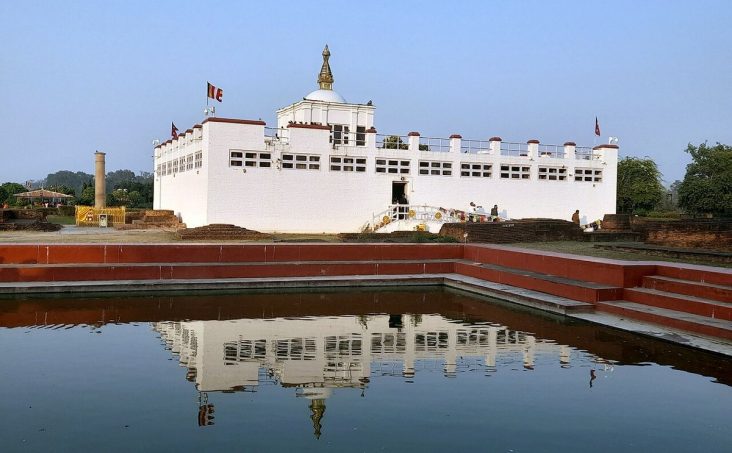
UNESCO’s World Heritage description identifies the Maya Devi Temple’s archaeological remains, the Ashoka pillar and its inscription, and the remains of monasteries and stupas among Lumbini’s significant features. Its World Heritage inscription dates to 1997.
Those details invite a slower kind of looking. A pillar is not merely something to stand beside for a photograph. Archaeological remains are not empty spaces waiting for a more impressive building. Their relationships help explain why the place matters.
What a thoughtful visit can look like
A useful personal challenge is to arrive with one question you want to understand: the meaning of a ritual, the history of a particular structure or the relationship between pilgrimage and the surrounding community. Ask an appropriate guide or caretaker, and make room for an answer that takes longer than a caption.
Follow site instructions, let worshippers move comfortably and ask before photographing people. Consider where your spending goes and give local businesses the chance to explain what they offer. These are small choices, but they fit the larger question raised by the conference: how can a visit contribute to a place rather than simply pass through it?
Lumbini’s next chapter deserves that kind of attention. Its significance is already extraordinary; the challenge is to welcome the world with care.
Read more on OMG Nepal
Sources
Maya Devi Temple, Lumbini. File photograph, not the September 2026 conference. Lumbini Maya Devi Temple 1.jpg by Rangan Datta Wiki / Wikimedia Commons. CC BY-SA 4.0. Resized for web; thumbnails may crop.