

 OMG Nepal
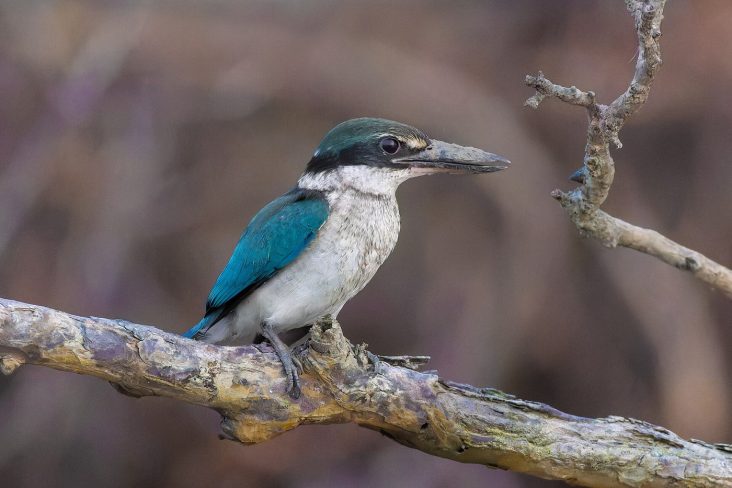
A collared kingfisher in Sundarbans National Park, India, in 2025. Species reference; not the bird recorded in Dhanusha.
The surprise in this Nepal wildlife story is not the size of the animal. It is where someone noticed it. A collared kingfisher photographed in Dhanusha was accepted as a new national bird record, according to an October 5 Kathmandu Post report citing the Nepal Bird Record Committee.
An observation became a record
The report identifies the photographer as Anil Mandal and dates the observation to September 29. Mandal sent the photograph and details to the committee, which consulted specialists before confirming the record.
The committee’s account matters because a striking photograph and a verified identification are different stages. The image supplies evidence; expert comparison helps establish what that evidence shows.
Why the location was unusual
The Post describes the species as strongly associated with coastal and wetland environments. Its appearance in landlocked Nepal is therefore noteworthy. The reported explanations for how this individual arrived are possibilities, not a tracked journey.
It would be a leap to turn this one record into proof of a new migration route, a breeding population or a climate-driven shift. The interesting finding does not need those extra claims to hold attention.
A useful way to look closer
For an amateur naturalist, the story offers a practical lesson: retain the original photograph, record when and where an observation was made, and ask an appropriate expert or recording group for help with identification.
When sharing wildlife observations publicly, consider whether a precise location could expose an animal to disturbance. A good sighting does not need to become a crowd around one perch.
This is a look back at a record reported earlier in October, not a claim that the bird has just arrived or remains at the site. What lasts beyond the news cycle is the contribution of a careful observer. A familiar field can still contain something worth asking a new question about.
From the OMG Nepal archive: Kathmandu Has a Wild Soundtrack: Start Listening at Phulchowki.
Sources and further reading
Sources checked October 26, 2026. Historical dates are stated in the story; announced event details may change.
Cover photo: Collared Kingfisher in Sundarbans National Park July 2025 by Tisha Mukherjee 01.jpg by Tisha Mukherjee / Wikimedia Commons. CC BY-SA 4.0. Resized and converted to JPEG for web; theme thumbnails may crop.