

 OMG Nepal
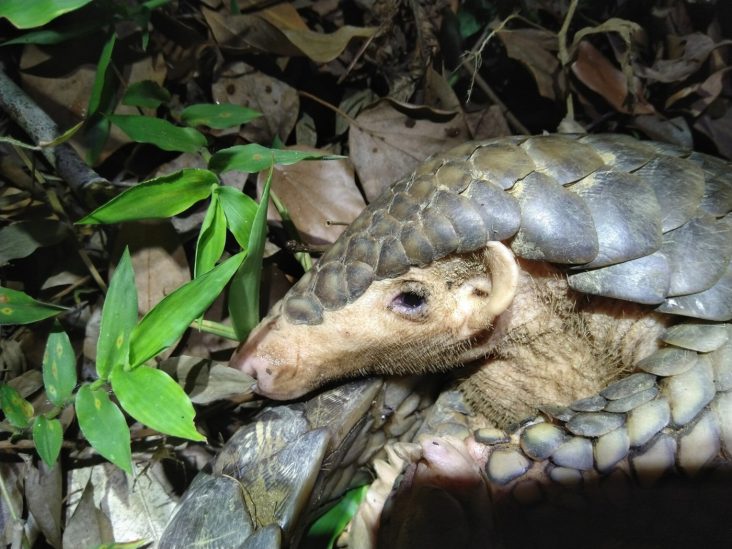
A Chinese pangolin photographed in Taiwan in 2021. Species reference; not the animal in the Nepal camera-trap study.
A small patch of forest can hold evidence that changes how people see the landscape around it. Research reported in 2026 documented a Chinese pangolin in a community forest in eastern Nepal, offering a striking reminder that conservation stories do not belong only to large national parks.
The evidence has a date
Mongabay’s June 8 account describes camera-trap evidence from January 21, 2025 in Sunsari district. It reports that researchers placed cameras after earlier signs had suggested pangolin activity.
The dates matter. This is a look at what the documented observation tells us, not a claim that the animal was discovered this week. The research concerns a confirmed record in a particular setting, rather than the discovery of a new species.
One animal is not a population estimate
The account distinguishes the individual captured on camera from signs that might indicate additional animals. A camera record can establish presence without establishing how many pangolins live in the area.
That is an important distinction for any wildlife story. A burrow, a footprint and a photograph may each contribute evidence, but they answer different questions. Stronger monitoring can improve understanding without requiring an exaggerated headline.
The forest is part of a lived landscape
The reporting describes the site as a community-managed forest with religious significance. It places conservation alongside the ways people already use and care for the area.
The useful question is how everyday decisions can leave space for a secretive animal. Which activities disturb habitat? Who notices changes? How can local knowledge and research support one another?
For readers, appreciation does not require seeking out a burrow or sharing a precise location. Giving an animal less attention on the ground can be more valuable than turning a record into an attraction.
The appeal of this story is its scale: a modest forest, a carefully placed camera and a result worth understanding. It asks us to look at the fragments of habitat around communities with more respect, while keeping the limits of the evidence clear.
From the OMG Nepal archive: Behind Every Red Panda Photo, There Is a Forest Worth Protecting.
Sources and further reading
Sources checked October 26, 2026. Historical dates are stated in the story; announced event details may change.
Cover photo: Manis pentadactyla pentadactyla 131662800.jpg by Licheng Shih / Wikimedia Commons. CC BY 4.0. Resized and converted to JPEG for web; theme thumbnails may crop.