
 OMG Nepal
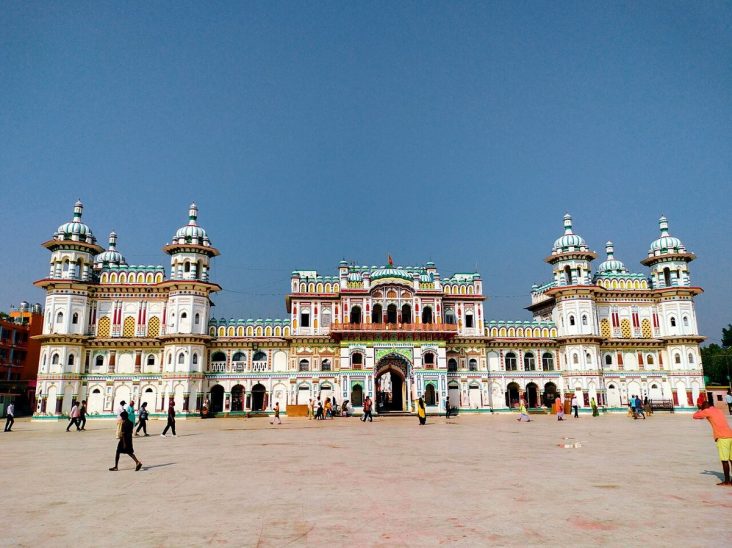
Janakpur’s Janaki Mandir makes an immediate visual impression. Yet the future of a sacred place depends on less photogenic things too: who looks after it, how visitors move through it and whether the surrounding community has a voice. A 2026 heritage initiative gives those questions a place in the story.
The planning behind the picture
In a report published on June 15, UNESCO described an April 20 event reviewing work on a management framework for the Ram and Janaki Temple Complex. The initiative brought conservation, visitor experience and institutional coordination into the same discussion.
UNESCO traces the process to a launch in December 2025 involving municipal authorities, the Department of Archaeology, temple leaders and community members. Subsequent workshops addressed conservation, risk reduction and community participation. This is a story about building a basis for better management, not an announcement that all proposed work is complete.
Read the heritage status carefully
Ram Janaki Temple appears on Nepal’s UNESCO Tentative List. A tentative listing is a proposed step towards consideration; it is not the same as inscription on the World Heritage List. Janakpur does not need that distinction blurred to deserve your interest.
The 2026 framework is especially interesting because it turns attention from a single attractive view to the experience and responsibilities around a living religious complex. A place can be architecturally impressive and, at the same time, part of people’s everyday spiritual lives.
Give the city more than a photograph
For a visitor, the practical response is simple: leave time to understand the setting. Read available interpretation, ask a local guide about the spaces you are entering and follow the directions of temple caretakers. A good question will often reveal more than a fast circuit of camera angles.
When writing or sharing photographs afterwards, name the place accurately and separate documented history from religious tradition. Avoid treating worshippers as background decoration. Those choices make the story more respectful and more interesting.
Janakpur’s appeal reaches beyond its façade. The effort to protect its heritage is another reason to pay attention to the city—and to the people whose knowledge helps give it meaning.
Read more on OMG Nepal
Sources
Janaki Mandir, Janakpur. File photograph. Janaki Mandir, Janakpur Nepal 01.jpg by Suyash.dwivedi / Wikimedia Commons. CC BY-SA 4.0. Resized for web; thumbnails may crop.