

 OMG Nepal
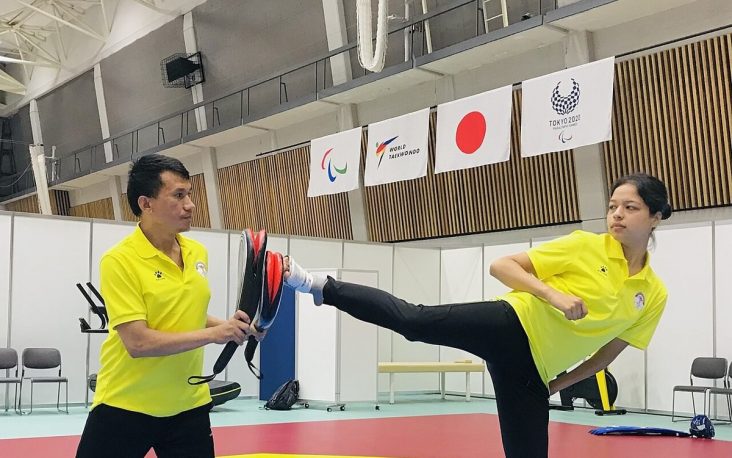
Palesha Goverdhan training with coach Kabiraj Negi Lama. Archival training photograph, not the Paris bronze-medal contest.
The result fits on a single line: Palesha Goverdhan beat Marija Micev 15–8. Its meaning takes longer to absorb. At the Paris 2024 Paralympics, that bronze-medal contest put Nepal on a medal table it had never appeared on before. A sporting possibility became a recorded result.
The athlete inside the milestone
The Asian Paralympic Committee’s account identifies the event as the women’s K44 under-57kg Para taekwondo competition. Goverdhan defeated Serbia’s Micev to win the bronze. Naming the discipline, division and opponent matters: this was a specific competitive achievement, earned against another elite athlete.
The official Paris medal standings list Nepal with one bronze. That is the historical frame for this feature, not a claim about results at a later competition. The medal remains a powerful entry point into Nepal’s Para sport story because it gives future ambitions an example that has already happened.
A medal, then a return to the drawing board
In a January 2025 interview published by the International Paralympic Committee, Goverdhan described returning to her architecture studies in China after the celebrations. The detail is wonderfully human: the country’s new sporting star still had another demanding part of her life to attend to.
The same interview traces her taekwondo journey to school at age ten and her entry into Nepal’s Para taekwondo team in 2016. At Tokyo 2020, held in 2021, she reached a bronze-medal match but lost 12–9. Paris followed years of competition, rather than appearing as a single miraculous afternoon.
She also spoke about moving between training and art or architecture when one became exhausting. It is a fuller portrait than the familiar label of an inspirational athlete: a competitor with ambitions, a student with deadlines, and a person whose interests reach beyond the podium.
Keep watching after the homecoming
A medal celebration is easy to understand. Sustained interest asks a little more of a sporting audience: learning athletes’ names, following their competitions and recognising preparation as part of the story.
Goverdhan’s achievement gives Nepal a reason to do that. It also invites a more respectful kind of sports storytelling, one that makes room for tactics, setbacks and skill instead of reducing disability to a dramatic backdrop.
The most memorable image may be a medal beside a flag. The deeper story is the work that made the image possible—and the athlete who went back to building the rest of her life afterwards.
From the OMG Nepal archive: Mira Rai | The Story Of A Spirited Nepali Village Girl.
Sources and further reading
Sources checked October 6, 2026. Event details may change; historical dates are stated in the story.
- Asian Paralympic Committee: the historic bronze
- IPC: Goverdhan’s January 2025 reflections
- Paris 2024 official medal standings
Cover photo: Palesha Goverdhan & Coach Kabiraj Negi Lama.jpg by SOOBAS10 / Wikimedia Commons. CC BY-SA 4.0. Cropped lower part of photograph and resized for web; theme thumbnails may crop.