

 OMG Nepal
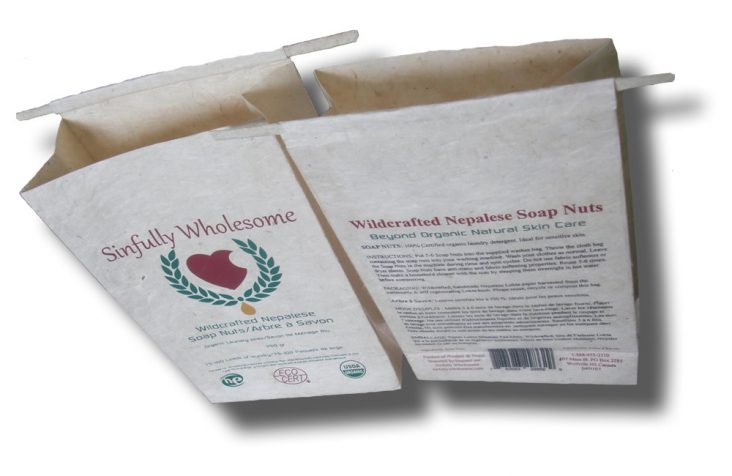
The souvenir that lasts is often the one you use: a notebook that fills up, tea shared with friends or a small piece of jewellery you actually wear. Nepal’s craft and food shops offer plenty of those possibilities. Choosing well begins with a few questions about the object and the person who made it.
1. A lokta-paper notebook
Lokta paper is one of the products highlighted by Nepal Tourism Board. Look for a notebook whose size, binding and paper suit the way you write. Ask where it was made and whether the inside pages use the same material as the cover.
2. Tea with a named producer
Tea from Nepal makes an easily shared gift. Clear origin, producer and packing information will tell you more than an elaborate presentation box. Ask for brewing guidance and choose an amount the recipient can use without keeping it on a shelf for years.
3. Coffee that fits the brewer at home
NTB also points visitors towards locally produced coffee. Decide between whole beans and ground coffee before buying, then ask about the roast and producer. A bag that works with your recipient’s equipment is a more thoughtful gift than a flavour they cannot prepare properly.
4. A textile with clear material information
A scarf, shawl or small woven piece can be both attractive and practical. Ask about fibre composition and care. Softness alone does not establish that something is pure pashmina, so request a clear written description when that claim is part of the price.
5. Pottery with a purpose
Choose a piece you can pack securely and imagine using. Ask whether the finish is suitable for food or intended only for decoration. A small bowl may travel more easily than a large object whose appeal disappears once you consider the flight home.
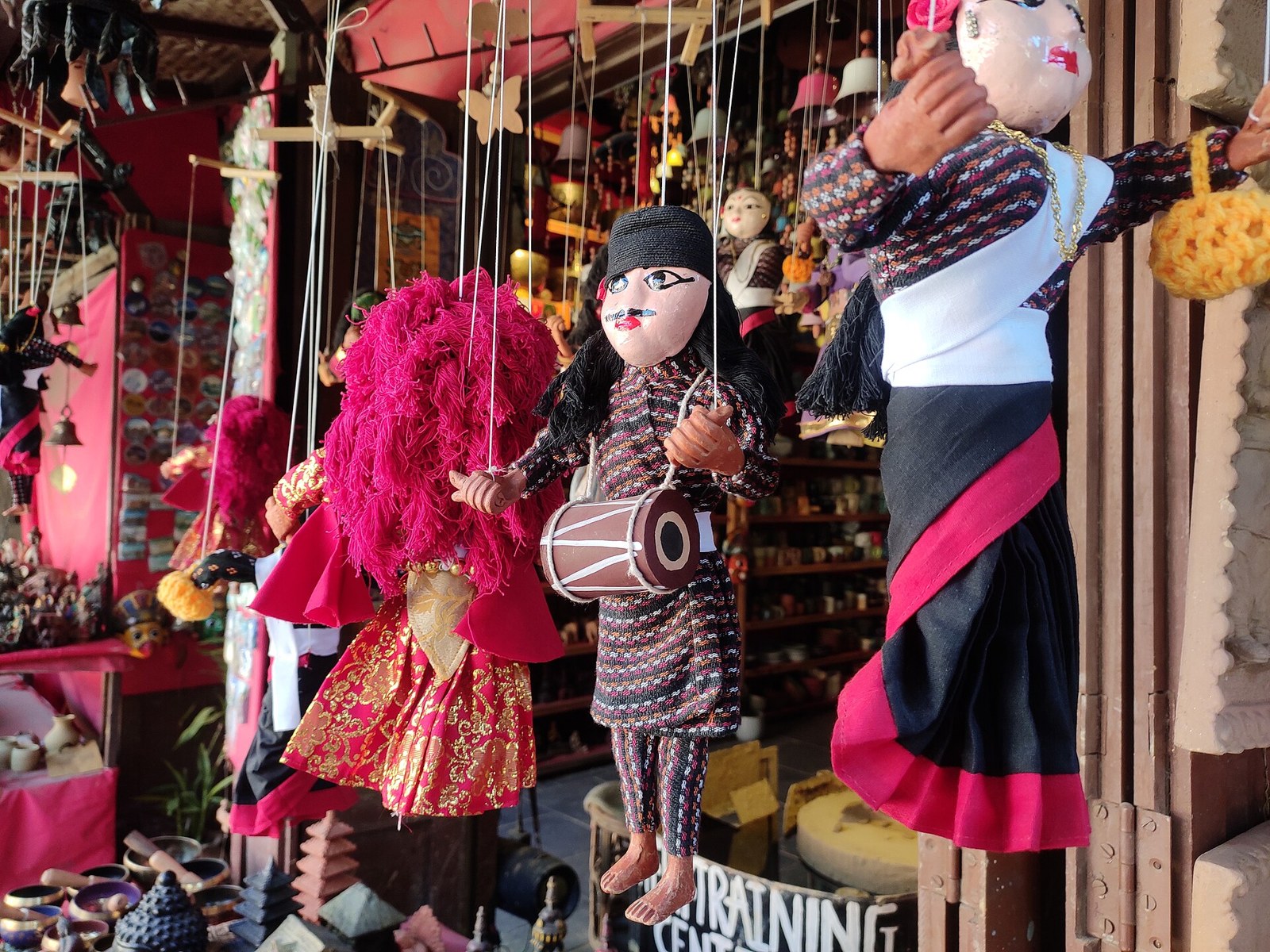
6. A contemporary wood carving
Frames, small boxes and decorative pieces offer ways to appreciate carving without buying a large sculpture. Ask who made the work and whether it is contemporary. If an object is presented as an antiquity, verify the applicable documentation and export requirements with the relevant authority before purchasing.
7. Jewellery with a maker’s story
Ask about the metal, stones and care, and keep the receipt and written description. The most useful story is who made it and why you chose it. A souvenir purchase does not need an unsupported promise about its future financial value.
Choose fewer things, more carefully
Set your budget before browsing and leave room in your luggage for suitable wrapping. For food, plant materials and other restricted goods, check the destination country’s entry requirements. One well-chosen object with a clear origin can be more satisfying than a bag of last-minute purchases.
From the OMG Nepal archive
Discover Nepal’s Textile Artistry: Tradition, Innovation and Sustainability
Sources and further reading
Featured photo: Packaging made from handmade Nepali lokta paper, one example of the material’s everyday uses. Photo: User:Pdacortex / Wikimedia Commons · CC BY-SA 3.0. Resized for web.


