

 OMG Nepal
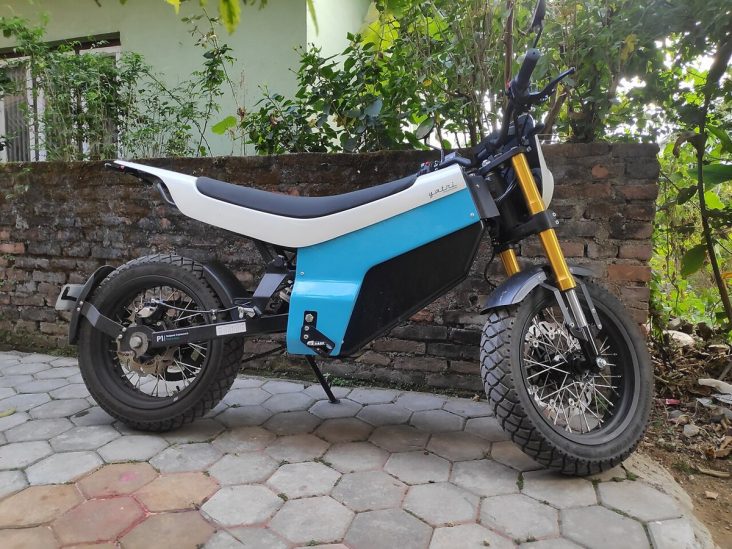
Yatri’s earlier P1 electric motorcycle. The P2 scooter discussed in this story is a different model.
A scooter is an unusually demanding way to make a national ambition tangible. It has to fit into a working day: a commute, an uphill journey, a parking space and the next charge. That makes Yatri’s P2 interesting as a Nepali engineering story, even before the conversation reaches its specifications.
From a prototype to an everyday proposition
Yatri’s own account describes Project Zero as a proof of concept launched in 2019, followed by Project One as its first commercial platform. The company presents Project Two as the next step toward a more accessible product. This is the manufacturer’s account of its development path, rather than an independent verdict on the scooter.
That sequence gives the P2 a useful context. Moving from an ambitious first machine to something intended for more riders changes the questions. Design must meet production, servicing and the practical expectations of people who need a vehicle to work repeatedly, not just look impressive on launch day.
What the September announcement actually tells us
Onlinekhabar reported the P2’s price announcement on September 18, 2026, identifying it as a locally engineered and manufactured electric scooter from Sipradi Yatri. The report described three battery choices and features intended for Nepal’s varied road conditions.
The important distinction is between a product announcement and a road test. Published range figures come from the company; they do not tell every rider how far a particular commute will take them. Battery choice, use and configuration also make a single headline specification an incomplete picture.
Yatri’s live configurator reinforces that point. It separates battery options and shows that some convenience, connectivity and warranty choices depend on configuration. Buyers comparing a listing with a news report need to compare the same version. Prices and package details should be checked directly at the time of purchase.
The promise is also in the unglamorous work
The lasting appeal of this story is local capability. A vehicle puts engineering into something visible: a frame, a battery system, software and the experience of riding it. It also creates a demanding public test, because customers encounter the results every day.
For readers interested in Nepali innovation, the questions worth following are straightforward. How does the product perform in sustained use? How readily can it be maintained? What do owners report after the launch excitement passes? Those answers will make the story stronger than any slogan.
The P2 gives Nepal an engineering project to watch closely. Its next chapter will be written through ordinary journeys, and through the work required to keep those journeys ordinary.
From the OMG Nepal archive: All you need to know about Yatri.
Sources and further reading
Sources checked October 6, 2026. Event details may change; historical dates are stated in the story.
- Yatri: company vision and project history
- Onlinekhabar: September 2026 P2 announcement
- Yatri: current P2 configuration details
Cover photo: Yatri P1.jpg by Gaurav Dhwaj Khadka / Wikimedia Commons. CC BY-SA 4.0. Resized for web; thumbnail display may crop.