
 OMG Nepal
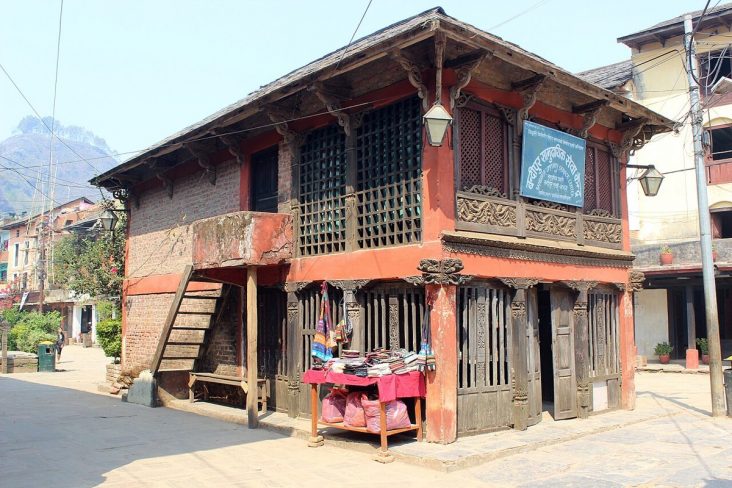
Bandipur’s library and community service building. Contextual photograph; no affiliation to READ is asserted.
A library starts with a wonderfully simple promise: you can come here and discover something. In Nepal’s community-library movement, that promise has expanded into rooms for computers, training and people learning together. The shelves remain important, but they are only part of what the building can hold.
A request that became a model
READ Global traces its roots to Nepal in 1991 and to a villager’s request for a library. Its Nepal overview describes centres offering literacy, technology and livelihood programmes, supported in part by locally relevant enterprises.
The organisation gives examples ranging from farming activities to community radio. That approach treats the library as an institution that needs a way to keep operating, rather than a one-time donation of books. A building can open on a memorable day; keeping it useful requires ongoing work.
READ’s country page also contains dated national statistics. They are not repeated here as a description of Nepal today. The enduring point is the model of a community resource with local participation and practical activities around it.
What happens around the shelves
READ’s overview of its centres describes a library, computer room, training hall and audiovisual section, with designated resources for children and women. The organisation’s Tech Age Girls report offers a more specific example of digital learning delivered through community library and resource centres in Nepal.
The report identifies work in Parbat, Kaski, Lalitpur, Nawalparasi and Chitwan. It places technology learning in an existing local setting, where a programme can sit alongside other forms of support and participation. This is an account of that initiative, not a claim that every Nepali library offers the same services.
The appeal of such a place is its flexibility. A reader can arrive for a book and encounter another opportunity. A training session can bring someone through the door who would not have thought of a library as somewhere for them.
The value of somewhere to begin
There is a quiet dignity in having a public place where a question is welcome. A person should not need to be an expert before asking how a computer works or looking for information about a new skill.
For anyone supporting a community library, that everyday usefulness is worth asking about. Which resources are used? Who feels comfortable entering? What keeps the doors open? These questions can be more revealing than the size of the opening ceremony.
Nepal’s library story deserves attention because it makes learning visible as a shared activity. Sometimes a book is the destination. Sometimes it is the first reason to walk into a room where another possibility begins.
From the OMG Nepal archive: Books by Nepali Authors to begin the Nepali-reading journey.
Sources and further reading
Sources checked October 6, 2026. Event details may change; historical dates are stated in the story.
- READ Global: the Nepal programme’s origins
- READ Global: community-centre model
- READ Global: Tech Age Girls impact report
Cover photo: Bandipur – Library – 01.jpg by Maesi64 / Wikimedia Commons. CC0. Resized for web; thumbnail display may crop.