
 OMG Nepal
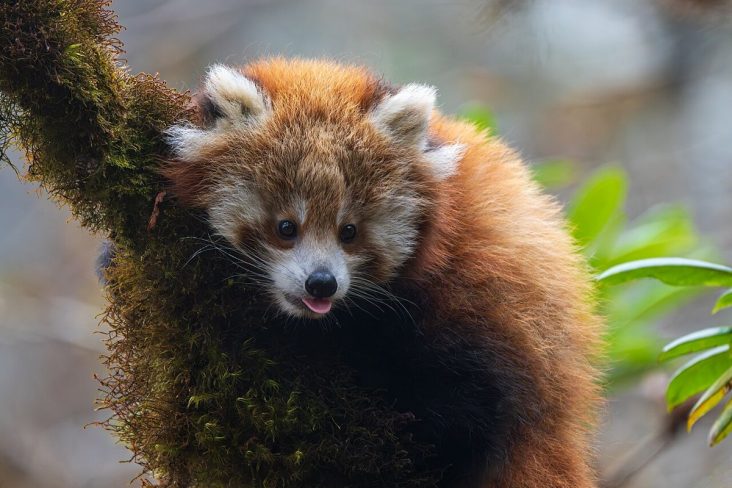
A red panda cub photographed in Langtang National Park, Nepal. File photograph.
A red panda photograph is almost impossible to scroll past. The face, the tail, the balance on a branch: everything invites attention. Keeping that animal’s forest intact requires a different kind of attention—patient, local and repeated long after the camera is put away.
The people who return to the forest
Red Panda Network calls its paid local monitors Forest Guardians. Their work includes protecting and monitoring habitat and sharing conservation knowledge in their communities. The organisation’s profiles give that role individual faces.
Kalpana Rokaya, from Mudkechula in Dolpa, is identified as one of the first women hired for the role in that district. Ngima Dawa Sherpa in Ilam has worked on camera trapping and tracking connected with research. Another guardian, Prem Dorjee Sherpa, has helped install cameras and collect red panda pellets for genetic study.
These details, reported by the organisation that employs the guardians, show how field knowledge enters conservation work. A forest is visited repeatedly; evidence is collected; local people have a continuing role beyond appearing in a photograph.
Habitat and livelihoods share the same landscape
Red Panda Network’s mission statement places habitat protection and sustainable livelihoods together. Its Nepal programme began in the eastern districts of Panchthar, Ilam and Taplejung in 2007, according to the organisation.
Its 2023 annual report records activities such as bee-farming support, rug-weaving training and improved cookstoves alongside conservation work. These are examples of programme activities, not evidence that a single training course automatically protects an animal.
The connection is nevertheless important. Forest conservation happens in places where people also need incomes, energy and opportunities. A durable approach has to take those needs seriously, rather than treating the surrounding community as scenery in a wildlife campaign.
Give the work as much attention as the animal
The most useful response to a beautiful red panda image is curiosity about the place behind it. Who manages that habitat? What does regular monitoring involve? How are local people paid and included? Those questions turn a moment of affection into a better understanding of conservation.
They also change the kind of Nepal story that gets shared. The country’s appeal includes the knowledge of people who notice what others miss and return to the same difficult terrain to keep learning.
A red panda may hold our attention for a few seconds. The forest around it needs people prepared to stay interested for much longer. Nepal’s Forest Guardians make that longer commitment visible.
From the OMG Nepal archive: Best Wildlife Photographer Of Nepal You Should Know about.
Sources and further reading
Sources checked October 6, 2026. Event details may change; historical dates are stated in the story.
- Red Panda Network: Forest Guardian profiles
- Red Panda Network: mission and programme history
- Red Panda Network: 2023 annual report
Cover photo: Curious Red Panda Cub in Langtang National Park.jpg by Sunuwargr / Wikimedia Commons. CC BY-SA 4.0. Resized for web; thumbnail display may crop.