

 OMG Nepal
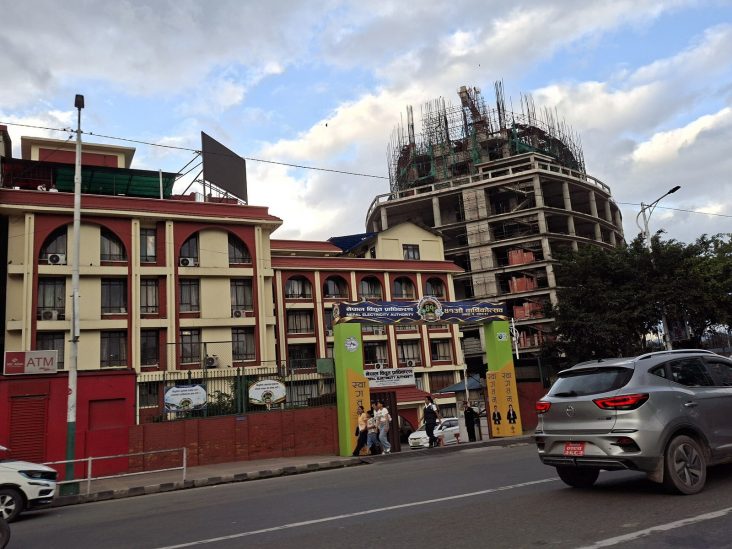
About 73 percent of Nepal’s electricity customers still pay their bills at counters, according to figures reported by Onlinekhabar on October 8. The numbers show how central in-person payment remains despite the availability of digital options.
The report describes 655 counters across 129 distribution centres, with annual operating costs of Rs597.9 million.
A large payment network
Counters provide a physical place to settle a bill, but operating hundreds of them also requires staff and resources. The reported cost helps explain why digital payment is receiving attention as an administrative issue.
Minister Biraj Bhakta Shrestha urged greater use of digital payment, according to the report. That call does not by itself explain why individual customers continue to visit counters.
The customer question remains
The figures do not establish whether people choose counters because of habit, access, confidence, assistance needs or another reason. Understanding those experiences matters if a change is to make payment easier.
For customers considering a switch, the practical starting point is the payment method supported for their account and a receipt confirming the transaction. A successful digital service needs to work for the person paying, as well as the institution receiving the money.
From the OMG Nepal archive
Sources and further reading
Featured photo: Nepal Electricity Authority head office in Kathmandu. File photograph. Photo: Muhammad Saddam Hussein / Wikimedia Commons · CC BY 4.0. Resized for web.