
 OMG Nepal
Pokhara has more than one good way to spend a day. You can watch the Annapurna range emerge above Sarangkot, cross Phewa Lake to a small island temple, or trade the waterfront cafés for the streets of the old bazaar. The best visit combines a few of those different sides of the city.
For a first trip in 2026, start with these ten experiences. They cover the lakes, viewpoints and cultural stops that make Pokhara worth exploring beyond an overnight stop before a trek.
1. Spend an evening by Phewa Lake
Lakeside, also known as Baidam, follows Phewa’s eastern shore. Hotels, cafés, restaurants and small shops make it an easy place to settle into the city. You do not need a busy itinerary here: take a waterfront walk, choose somewhere to eat and leave time to watch the lake.
This is a good first-evening plan after travelling. Save an early start for the following morning, when you have had a chance to rest and decide what you want to see.
2. See the shoreline from a boat
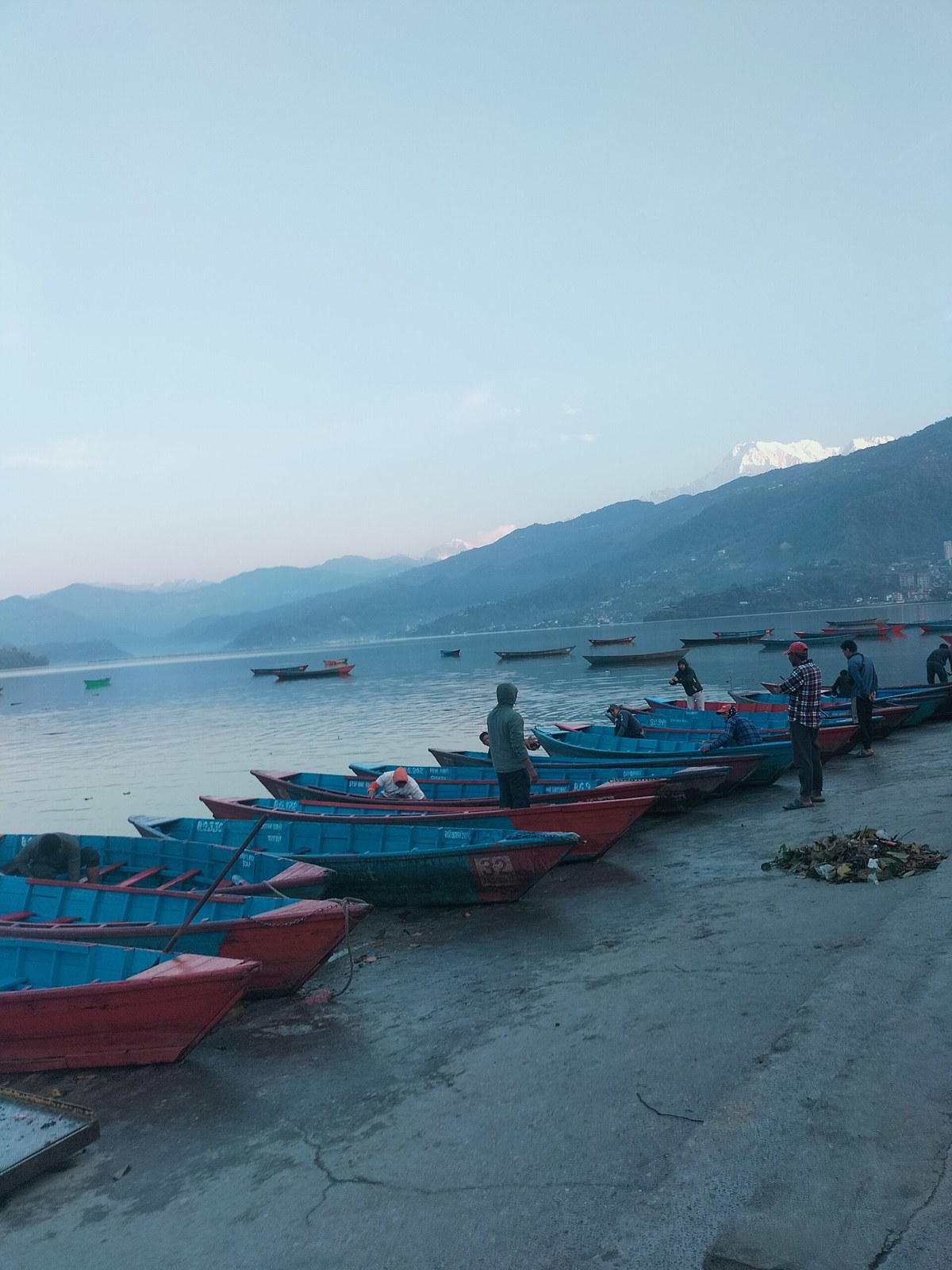
A boat trip puts some distance between you and the Lakeside strip. From the water, the hills and buildings fall into a different arrangement, making the ride worthwhile even when cloud hides the mountains. Choose a short outing or a longer circuit according to your group’s interests.
Agree on the route and duration before setting off, wear a life jacket and follow the operator’s weather advice. If you want to stop at Tal Barahi, include that in the arrangement.
3. Visit Tal Barahi’s island temple
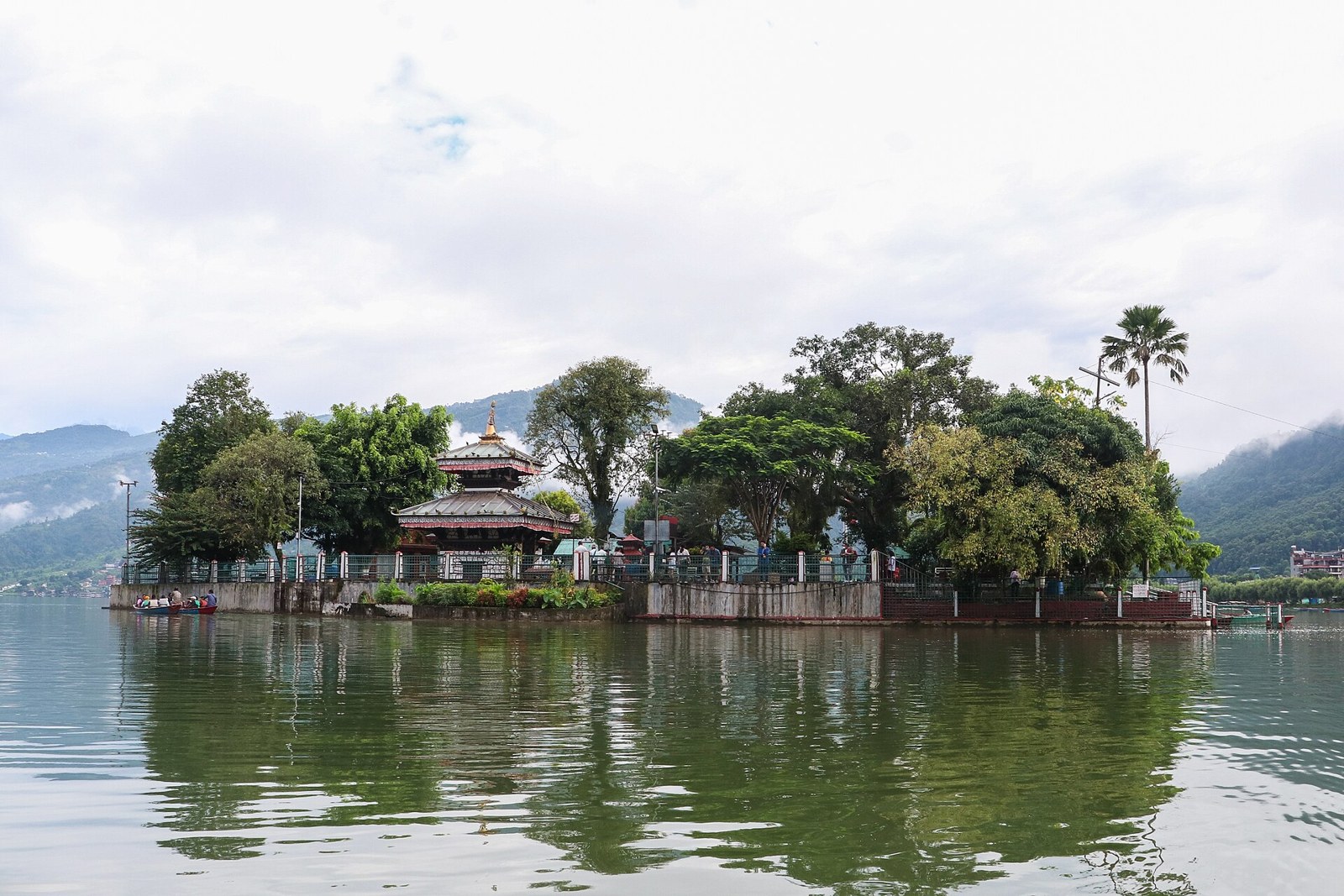
Tal Barahi stands on an island in Phewa Lake. The two-storey pagoda is dedicated to the goddess, making it both a distinctive landmark and an active place of worship. The short boat approach is part of what sets this visit apart from the city’s hilltop shrines.
Give the temple a little time rather than treating it as a boat-trip checkpoint. Let worshippers pass, and follow the temple’s instructions about access and photography.
4. Catch the mountain light at Sarangkot
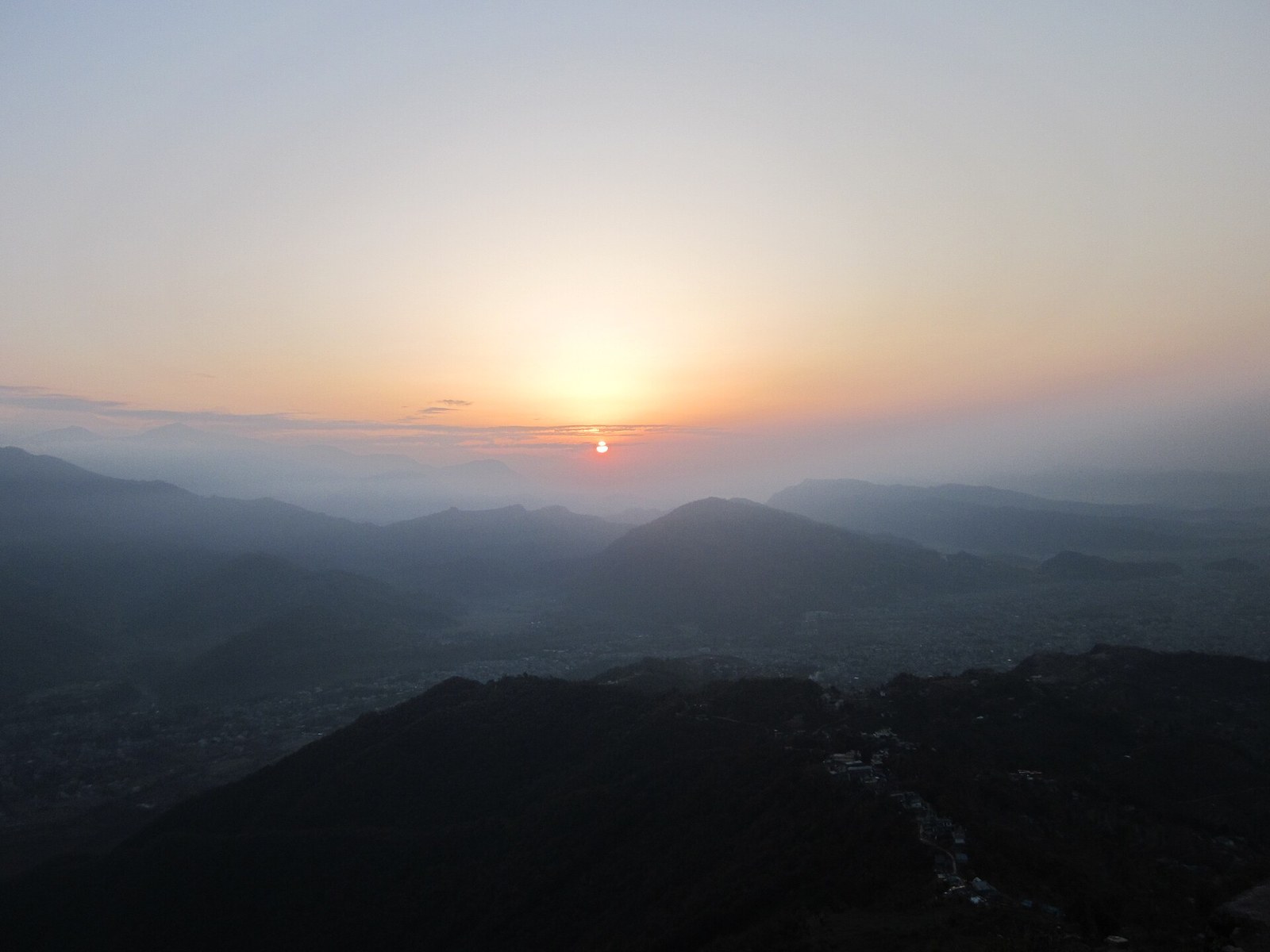
Sarangkot is Pokhara’s classic sunrise outing. The attraction is the changing light over the Annapurna range and Machhapuchhre, rather than simply watching the sun appear. A clear morning can make the early departure feel worthwhile; cloud can turn the same outing into a very different experience.
Put this near the beginning of a longer stay so that you have another morning available if the weather does not cooperate.
5. Look back across Pokhara from the Peace Pagoda
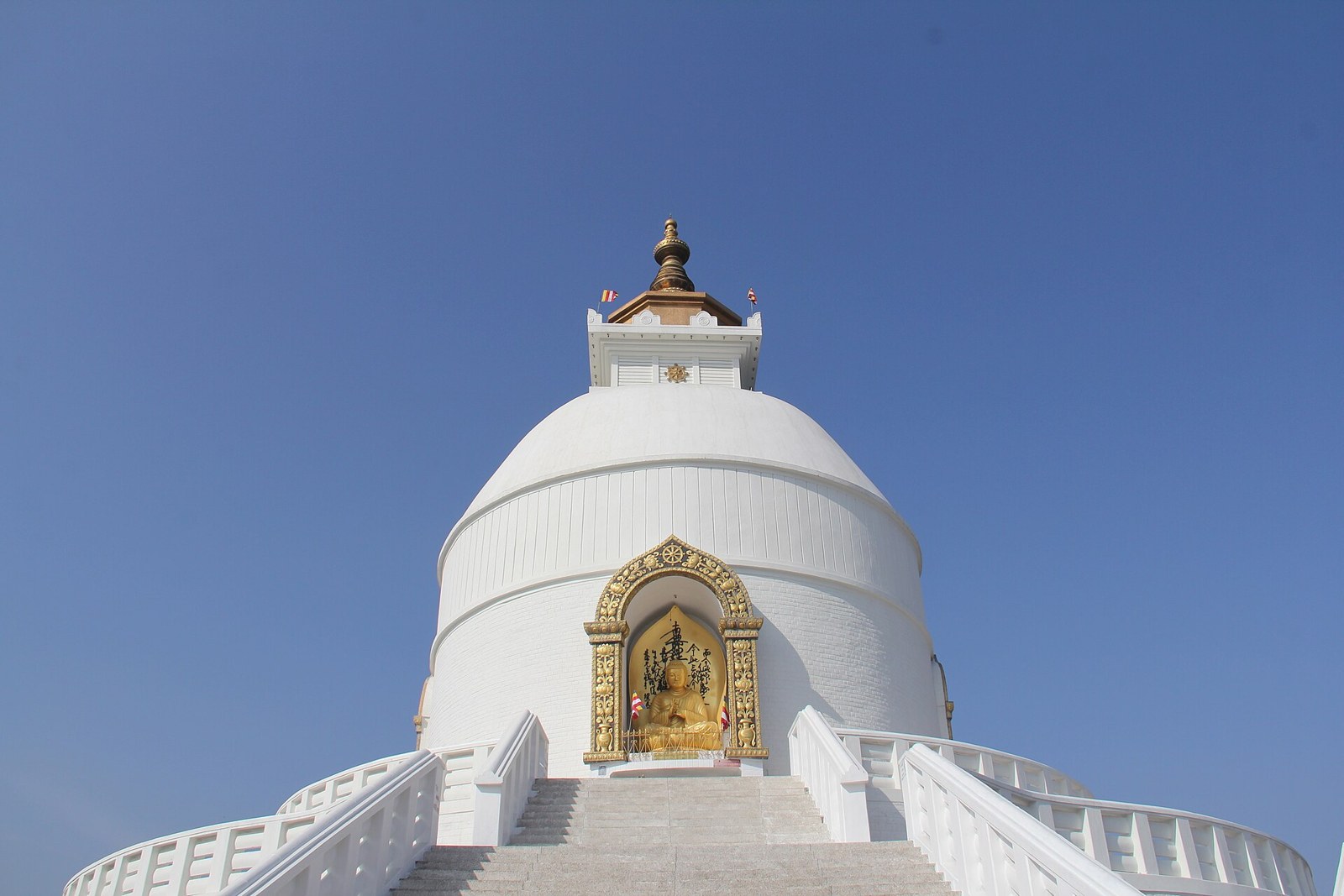
The World Peace Pagoda, or Shanti Stupa, occupies a hill above the southern side of Phewa Lake. Its position gives the familiar lake-and-city view a new angle. The white stupa itself deserves attention too, including the Buddha images facing the four directions.
Choose an approach that suits your group’s walking ability. Keep the visit quiet and unhurried: this is a religious site as well as a viewpoint.
6. Get the mountain backstory at the International Mountain Museum
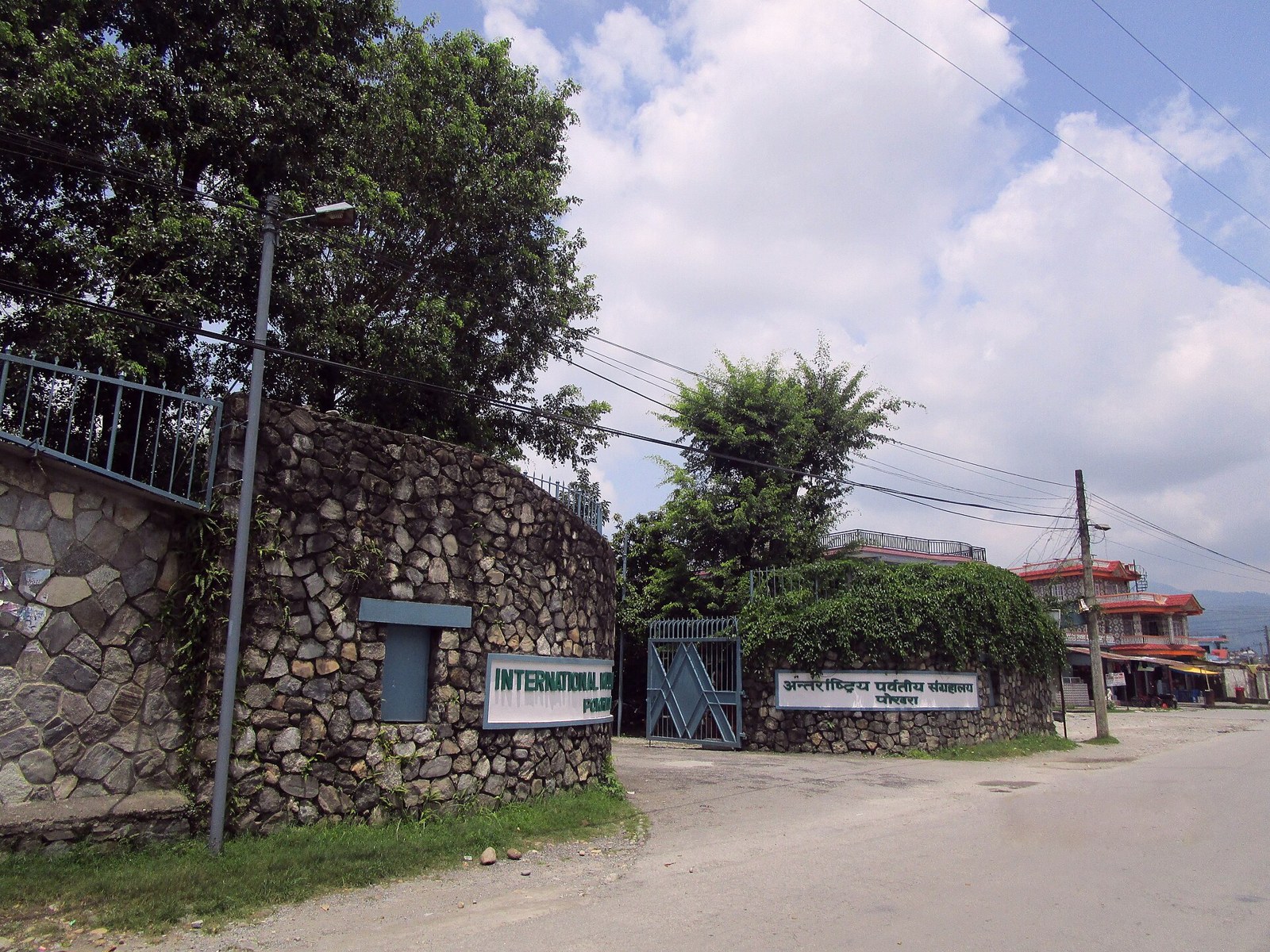
The peaks become more interesting when you know something about the people and environments around them. The International Mountain Museum covers mountaineering, mountain cultures, geography and ecology. It offers substance for visitors who want more than a summit photograph.
Make this a proper indoor stop, especially on a cloudy afternoon. Allow yourself time to read the displays instead of squeezing it between two outdoor activities.
7. Explore the old bazaar
The old bazaar reveals a different Pokhara from the hotels and activity desks of Lakeside. Its trading history, temples and Newar-influenced architecture give you a reason to pay attention to the buildings as well as the shops. The city’s municipal tourism inventory identifies heritage areas around Ganesh and Ramkrishna Tole.
Explore on foot where practical, stopping for details that interest you. These are working streets, so leave shop entrances and residential doorways clear.
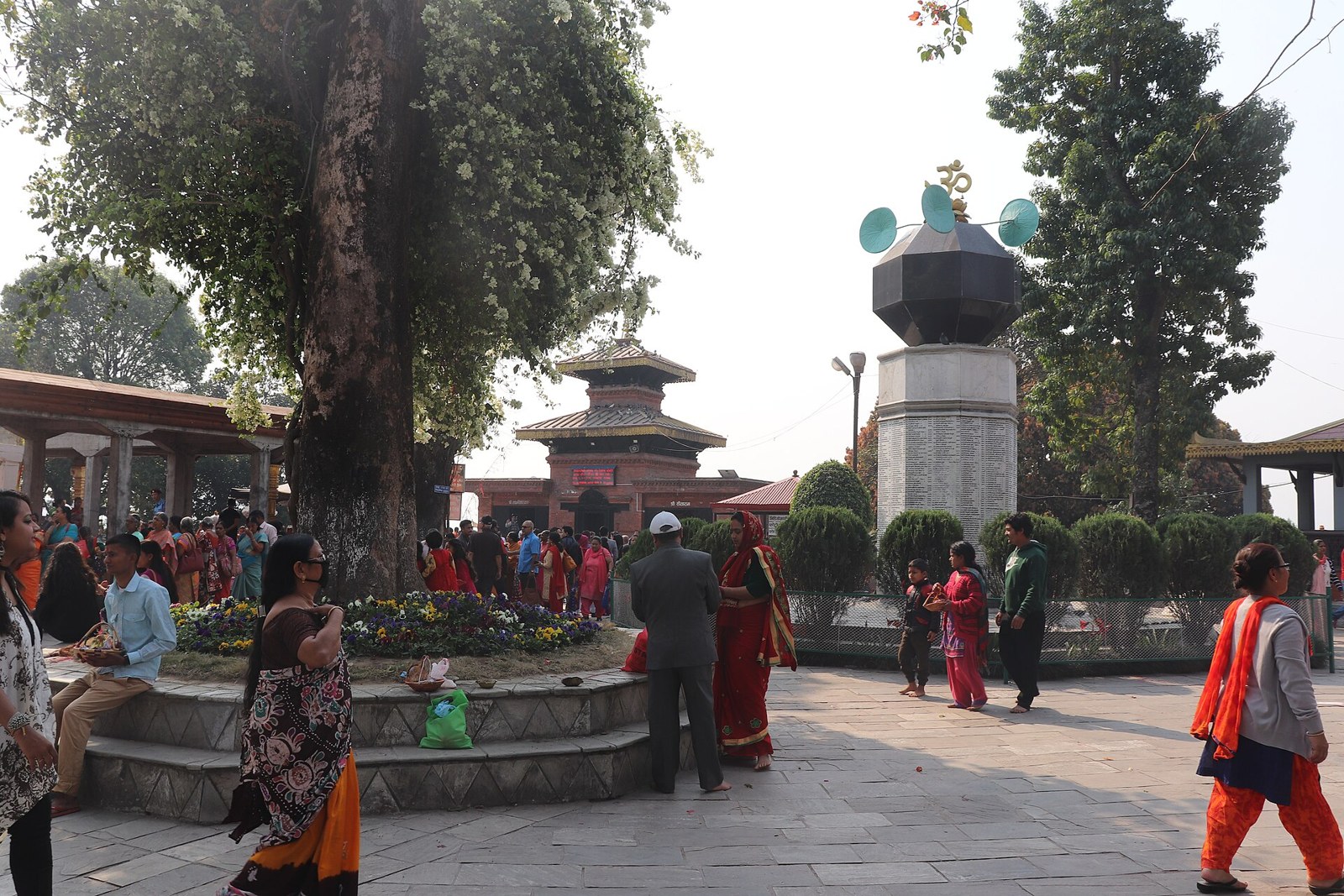
8. Add Bindhyabasini Temple to your city walk
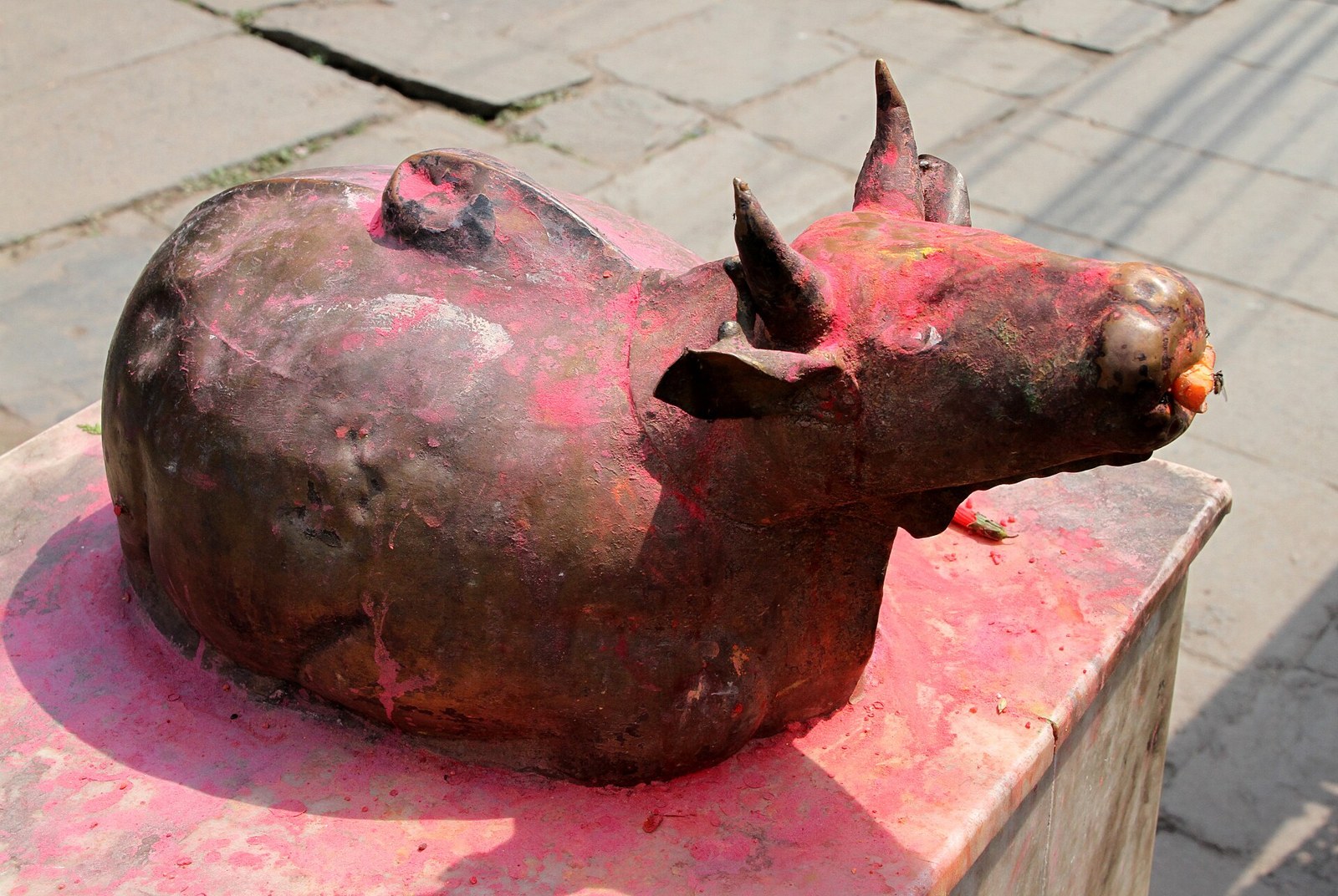
Bindhyabasini is one of Pokhara’s prominent shrines and pairs naturally with an outing through the older part of the city. A temple visit adds a different rhythm to a day otherwise spent around viewpoints and cafés.
Watch how devotees use the space and follow local guidance before joining a ritual or entering an inner area. You can appreciate the setting without interrupting worship.
9. Make a separate outing to Begnas Lake
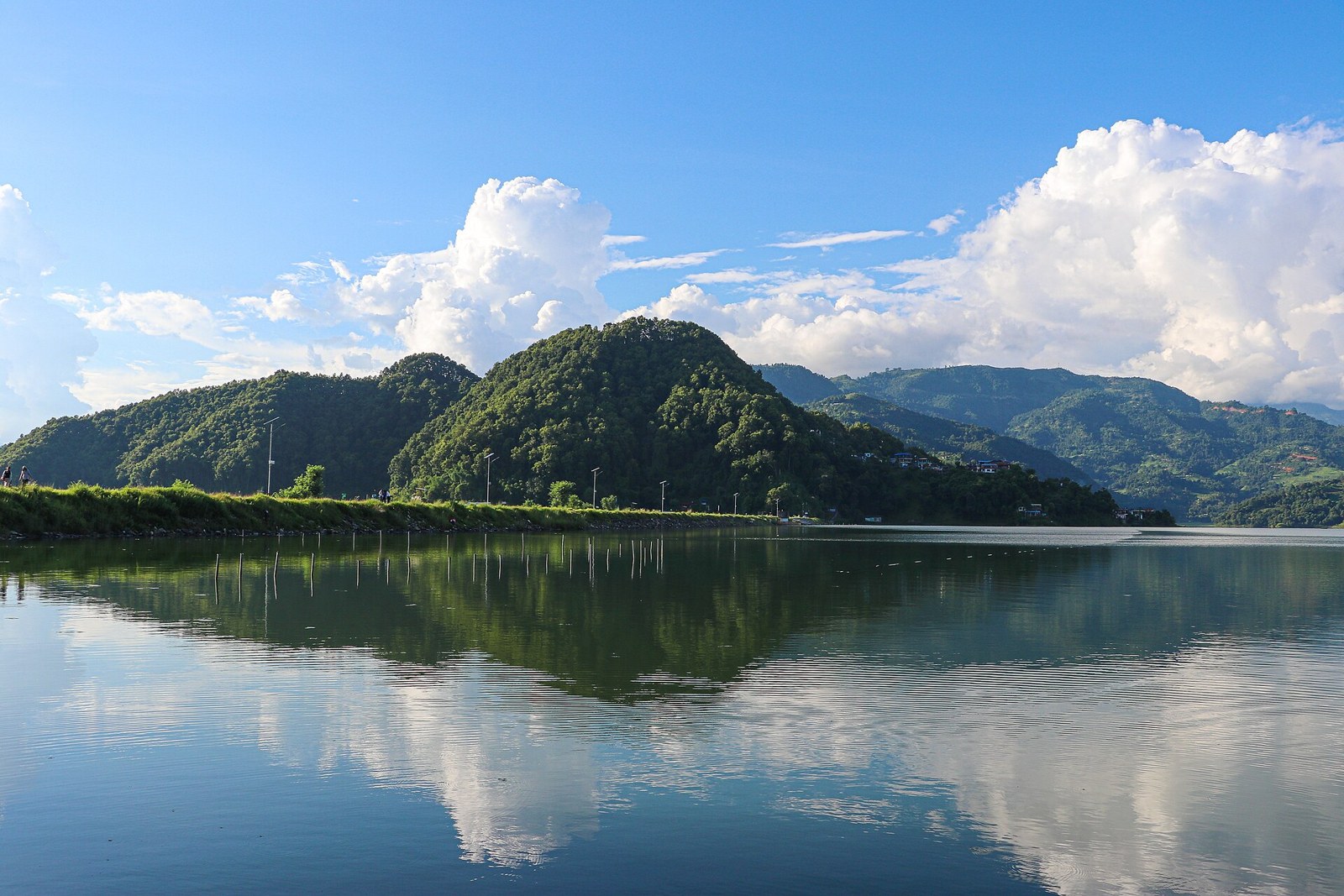
Begnas offers another lakeside setting beyond the Phewa-centred itinerary. Give it a half-day in your own plan so the journey does not become a rushed detour. A boat ride, lunch or time beside the water can be enough to build the outing around.
If you only have a short stay, choose between a fuller day at Phewa and this second lake. Seeing both is optional; enjoying the time is the point.
10. Visit the Gurkha Memorial Museum
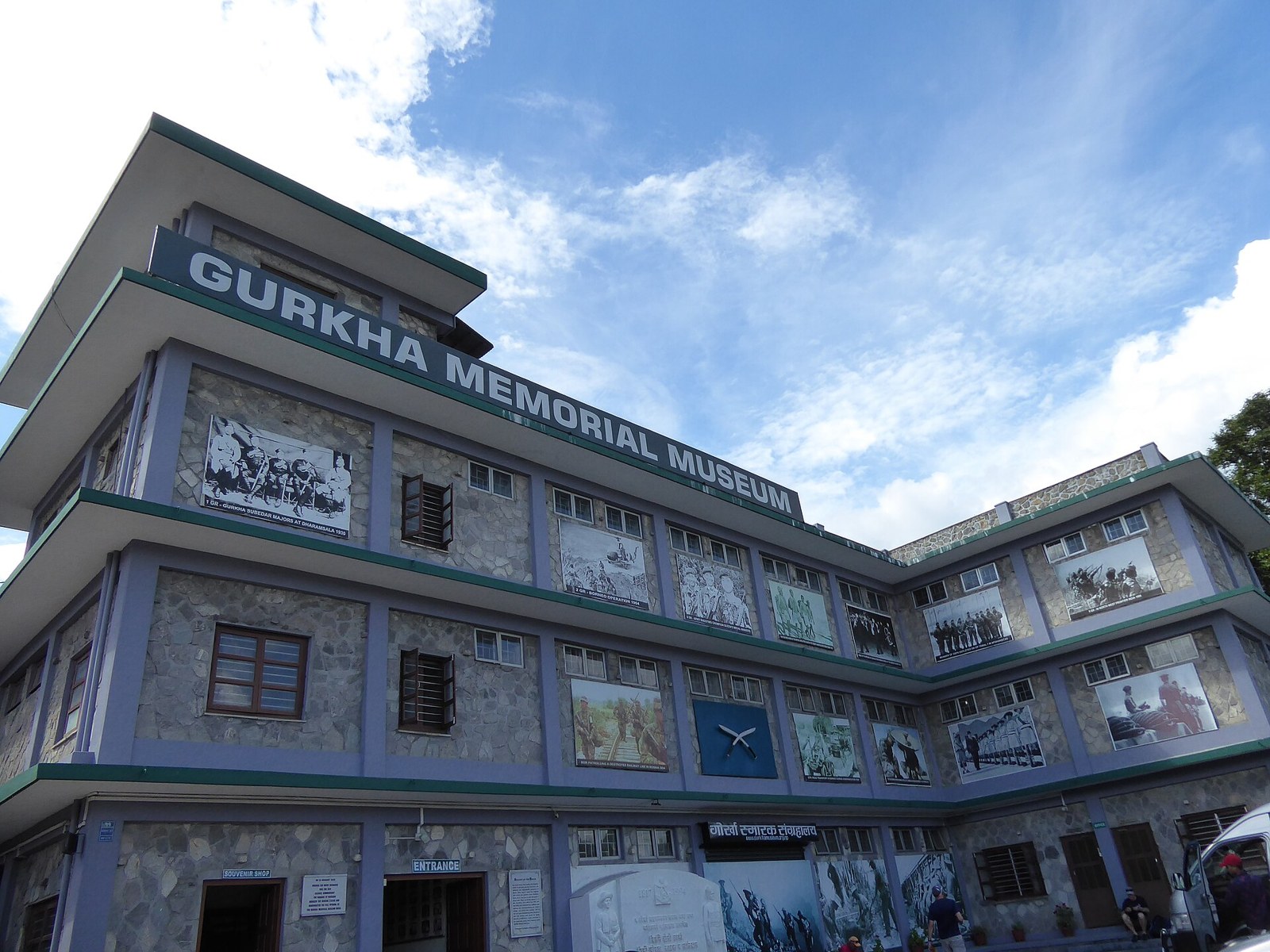
The Gurkha Memorial Museum adds military and social history to the trip through uniforms, medals, photographs and other material connected with Gurkha service. It is a useful choice for visitors interested in the people behind Nepal’s international reputation.
For a different museum theme, the city also has a Regional Museum and an Annapurna natural-history collection. Choose the subject that interests you rather than trying to collect every museum in one day.
How to spread the stops over three days
Use the first day for Lakeside, boating and Tal Barahi. On a clear second morning, visit Sarangkot, then choose a museum for the afternoon. Leave the third day for either the old city and Bindhyabasini or a slower Begnas outing; fit the Peace Pagoda around suitable weather and transport.
Check current opening arrangements and transport before departure. October 2026 road conditions remain changeable, and this attraction guide should be paired with an up-to-date check of your complete route into and out of Pokhara.
From the OMG Nepal archive
Sources and further reading
- Nepal Tourism Board: Pokhara destination guide
- Pokhara Metropolitan City: official tourism portal
- Pokhara Tourism Council: museums
- Pokhara Metropolitan City: destination clusters
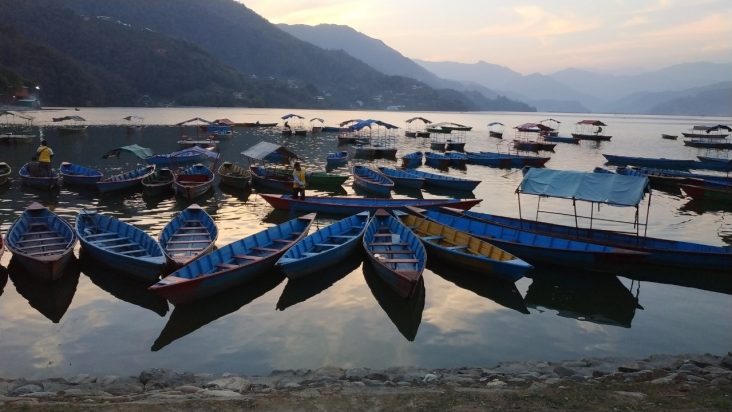
Featured photo: Boats on Phewa Lake, Pokhara. Photo: Anuja Sharma / Wikimedia Commons · CC BY-SA 4.0. Resized for web.