
 OMG Nepal
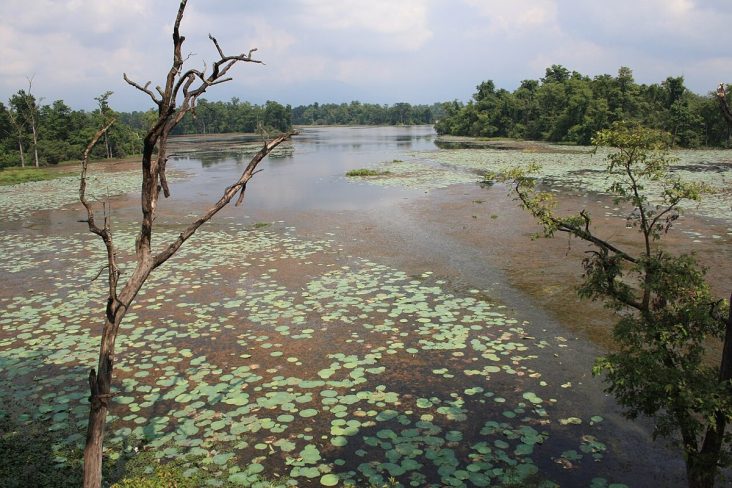
A lake photograph usually puts the water in the centre. At Ghodaghodi, it is worth paying equal attention to the edges: the vegetation, the adjoining forest and the places where one habitat meets another. They help explain why this part of Kailali is more than an attractive expanse of water.
A connected landscape
The Nepal Tourism Board describes Ghodaghodi as a freshwater oxbow lake with associated lakes, ponds and streams. It also identifies the area as a wildlife corridor between the lowlands and the Siwalik hills. That makes the connections around the lake part of its appeal, rather than scenery to crop out.
The Ramsar site summary records the Ghodaghodi Lake Area’s designation in 2003 and describes a wider wetland of 2,563 hectares, including shallow water, marshes, meadows and forest. That figure refers to the designated area, not simply the open surface of one lake.
Look for relationships, not a checklist
A rewarding nature walk need not become a competition to name the most species. Notice where the vegetation changes, where birds choose to perch and which parts of the water remain still. If you hire a local guide, ask them to explain what the season changes about the scene.
The Ramsar account also documents religious significance for local Tharu communities. Keep that human dimension in view. Wetlands can be places of belief and livelihood as well as places visitors come to admire. A photograph without any of that context tells only a small part of the story.
Leave room for the place itself
Observe from permitted paths, keep your distance from wildlife and take litter away. Resist the temptation to use noise or food to bring an animal closer. No sighting is promised, and an undisturbed patch of habitat is worth more than a staged close-up.
Before travelling, confirm current access and local visitor arrangements. Then arrive with time to watch rather than an expectation that the landscape must perform for you. Ghodaghodi invites a different kind of Nepal story: one told through water, forest, patient observation and the life connecting them.
Read more on OMG Nepal
Most Beautiful Ramsar Sites Of Nepal
Sources
Ghodaghodi Lake in Kailali. File photograph. Ghoda ghodi lake, Kailali.JPG by Gagan Raj Rai / Wikimedia Commons. CC BY-SA 3.0. Resized for web; thumbnails may crop.