

 OMG Nepal
The most useful question in a museum is sometimes the simplest: how did somebody make that? At Patan Museum, metalwork becomes especially interesting when you look past the finished surface and towards the steps that gave it shape. The institution’s Gallery G description is an invitation to do exactly that.
One material, different routes
The museum explains that its metal-technology display follows repoussé from an initial drawing to a finished, gilded Bhairava face. Repoussé involves working sheet metal into relief. The staged presentation offers visitors something a finished object alone cannot: a way to think through the making.
It also describes models explaining lost-wax casting, based on the head of a seated Buddha in another gallery. These are different techniques, and recognising that difference changes the questions you bring to a metal image. A polished surface can conceal a surprising amount of planning.
The gallery does not end at the glass
Patan Museum connects these skills with a long tradition of nearby family workshops. That relationship is worth remembering when you step back into the city. The object in the gallery and the idea of a living craft are not separate stories.
There is another contrast in the museum’s descriptions: its historical-views gallery draws on an album of 1899 photographs alongside earlier images. After thinking about how an object was made, you can think about how the surrounding place has been represented. Technique and viewpoint become two different ways to look more closely at Nepal.
Make it a two-question visit
Choose one object and ask two things. First, what can I actually see: seams, edges, texture, repeated forms? Second, which of those observations can the museum’s explanation help me understand? You do not need to identify every deity or master a specialist vocabulary for this to be rewarding.
Read labels before reaching for a general explanation on your phone, and check current gallery access with the museum. Give yourself permission to spend longer with a small number of objects.
A good museum visit need not end with a camera full of everything. Sometimes it ends with one image you can now look at differently—and a much better appreciation of the hands behind it.
Read more on OMG Nepal
Sources
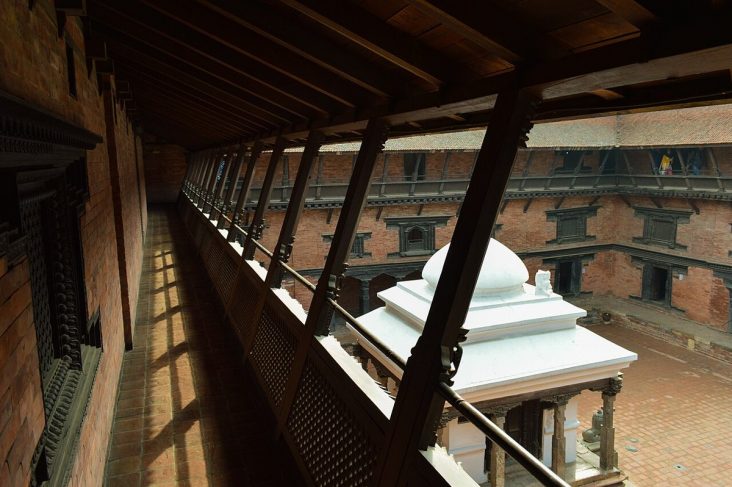
Interior courtyard of Patan Museum. File photograph, not a view of Gallery G. Interior courtyard of Patan Museum (12679516375).jpg by Francisco Anzola / Wikimedia Commons. CC BY 2.0. Resized for web; thumbnails may crop.

.jpg)