
 OMG Nepal
When you hear the word heritage, what appears first: a palace, a temple or a museum cabinet? Khokana offers another answer. Mustard oil belongs in the picture too. In this Newar settlement in Lalitpur, an everyday product is part of the reason the place has attracted heritage attention.
A village and a working tradition
Nepal’s 1996 submission to UNESCO’s Tentative List describes Khokana through its settlement pattern, courtyards, drainage system, religious structures and mustard-oil seed industry. The combination is the point. Heritage here includes how a place works as well as how it looks.
Be precise about the designation: Khokana is on the Tentative List, not inscribed as a World Heritage property. Its long association with mustard-oil production is also described in reference accounts of the settlement. Neither fact guarantees that a particular workshop will be open when you arrive.
Follow an ingredient back to its maker
An interesting visit could begin with the finished product and move backwards through questions. Where did the seed come from? Which parts of the process require experience? How does a maker decide when the oil is ready? Ask someone who is willing to explain; do not assume every worker is offering a demonstration.
This is a useful way to approach a craft because it gives the maker room to speak in their own terms. Instead of deciding in advance what is old, authentic or picturesque, find out what the person actually does. Tools and routines can change while knowledge continues to be passed on.
A better kind of souvenir story
If you buy oil, ask about the producer, ingredients, packaging and intended use. If you are taking it abroad, check the destination’s current import rules before purchasing. A label and a remembered conversation are more useful than a confident story invented after the trip.
Look at the wider settlement with the same care: allow people to use the streets and courtyards normally, and ask before entering working or private spaces. Khokana’s appeal is not that it can be treated as a stage set. It is that an ordinary ingredient can lead you towards a richer understanding of place, work and continuity.
Read more on OMG Nepal
Sources
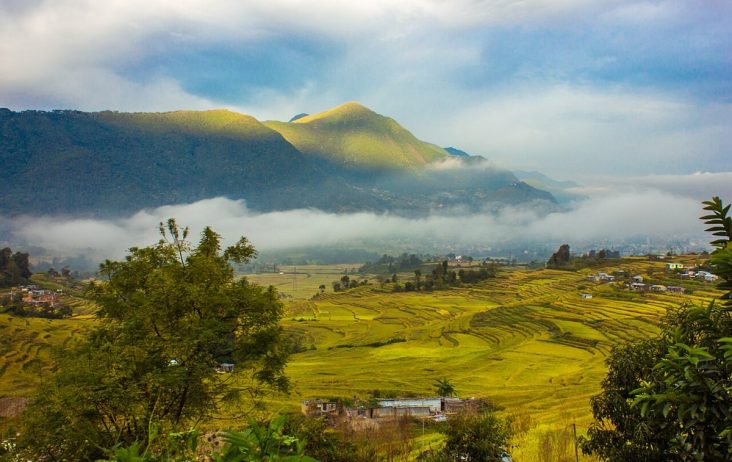
Fields and settlement at Khokana. File photograph. Majestic Khokana.jpg by Sunil kawan / Wikimedia Commons. CC BY-SA 4.0. Resized for web; thumbnails may crop.