
 OMG Nepal
A Dhaka topi can catch your eye in seconds. Understanding the cloth takes a little longer. In Palpa, the story behind those patterns leads towards handweaving, workshop knowledge and the challenge of keeping a craft attractive to both makers and buyers.
The fabric behind the familiar shape
The Palpali Dhaka Association describes its purpose as preserving handweaving skills, improving working conditions and strengthening the quality and market for locally made fabric. Those aims make a useful lens for looking at a purchase: the pattern is important, but so is how the cloth came into being.
Its member directory lists workshops in and around Tansen and Mathagadi, including Rana Dhaka Udhyog, which it describes as women-run. Treat that directory as a starting point for direct enquiries rather than a guarantee of opening hours or visitor access. Workshop details can change.
Ask about the making
The Nepal Tourism Board identifies Dhaka cloth and topis among Tansen bazaar’s notable products. If you browse there, try asking where an item was woven, who made it and whether the seller can explain the material and care requirements.
You do not have to become a textile expert before appreciating a piece. Looking closely at the pattern, turning the fabric over with permission and listening to its maker can be a much better beginning than searching for the cheapest version of a familiar souvenir.
Let the maker define the story
Avoid deciding that handmade must mean unchanged. Ask which designs customers request, which skills take longest to learn and what the workshop would like buyers to understand. Those are invitations to a conversation, not assumptions about what the answers will be.
If you want photographs, request permission and keep clear of the working area. If you buy, keep the maker’s information with the item. That makes it possible to tell a specific story later rather than reducing the cloth to a vague symbol of Nepal.
Palpali Dhaka is worth noticing for its visual character. Giving equal attention to the work behind it makes the experience more satisfying—and turns a quick shopping stop into a chance to learn something lasting.
Read more on OMG Nepal
Discover Nepal’s Textile Artistry: Tradition, Innovation and Sustainability
Sources
- Palpali Dhaka Association: purpose and background
- Palpali Dhaka Association: member workshops
- Nepal Tourism Board: Tansen bazaar
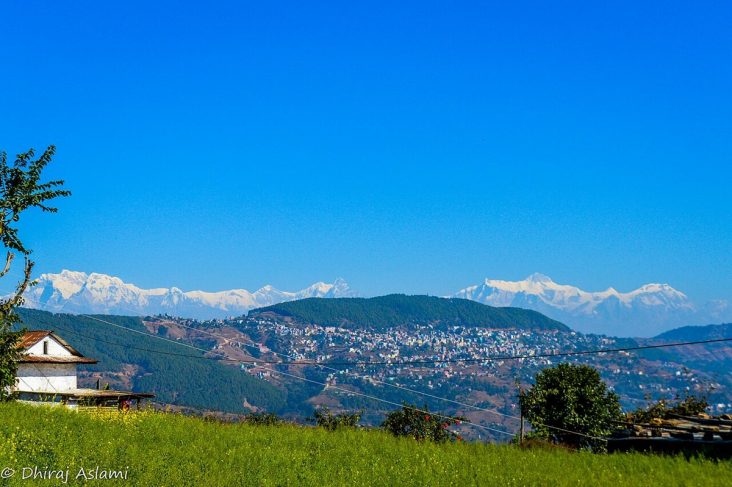
Tansen, Palpa, seen from Telgha. Contextual photograph of the region discussed. Tansen Bazaar as seen from Telgha !.jpg by Dhiraj Aslami Magar / Wikimedia Commons. CC BY-SA 4.0. Resized for web; thumbnails may crop.