
 OMG Nepal
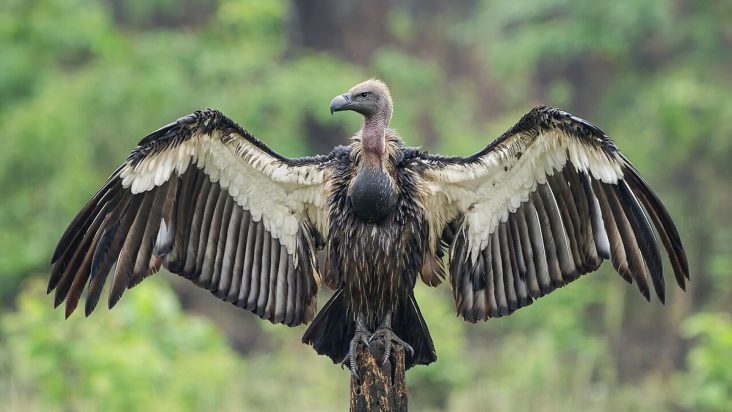
A white-rumped vulture photographed in Chitwan National Park. File photograph, not a study identification image.
The diners arrive on wings, and the meal is a livestock carcass. Nepal’s vulture restaurants sound like an eccentric attraction until the reason behind them becomes clear: a scavenger can be in danger from the very food it needs to survive.
The danger hidden in a meal
Bird Conservation Nepal’s August 2026 account of new research describes the role of veterinary diclofenac in the earlier collapse of South Asian vulture populations. Birds feeding on treated livestock could be poisoned. Nepal’s response combined restrictions on the veterinary drug with awareness, monitoring and work across the livestock and conservation sectors.
Safe feeding sites, often called Jatayu restaurants, fit inside that wider effort. They provide carcasses intended to be free of vulture-toxic drugs. The Ghachok site’s own explanation describes caring for rescued cattle and preparing animals that die naturally as food for the birds.
That makes the restaurant an unusually revealing conservation idea. It addresses something very specific about an animal’s life, while depending on cooperation with the people who manage livestock.
A recovery that researchers can measure
A 2026 paper in Ibis, led by John W. Mallord and colleagues, examines the continued recovery of white-rumped vultures in Nepal using road-survey data and information on survival and breeding. Bird Conservation Nepal’s summary reports an estimated population increase of 12.7 percent a year since 2012.
The figure describes a study trend, not a guarantee of future growth. The same summary stresses that numbers remain well below pre-crisis levels and that other veterinary drugs require continued attention.
The paper also explains how supplementary feeding allowed researchers to monitor tagged birds. This is an important part of the story: conservation sites can support observation, helping turn hopeful impressions into evidence about survival over time.
An unglamorous bird earns a second look
A vulture rarely receives the affection reserved for a red panda. Yet this recovery offers one of Nepal’s most compelling wildlife narratives: identify a threat, build a practical response, and keep checking whether it works.
The achievement belongs to a network of roles—researchers, local communities, veterinarians, livestock owners and organisations willing to sustain the work. A dramatic photograph captures only the gathering of birds at the end of that chain.
Before planning a visit, check current access with the site and follow its instructions around feeding and observation. The real attraction is a functioning conservation effort. Seeing a bird return to a safe meal is memorable enough without getting in its way.
From the OMG Nepal archive: Most Beautiful Ramsar Sites Of Nepal.
Sources and further reading
Sources checked October 6, 2026. Event details may change; historical dates are stated in the story.
- Bird Conservation Nepal: August 2026 research summary
- Mallord and colleagues, Ibis: population recovery and survival
- Ghachok Vulture Restaurant: how the feeding site works
Cover photo: White rumped vulture flexing its wings.jpg by Prasan Shrestha / Wikimedia Commons. CC BY-SA 4.0. Resized for web; thumbnail display may crop.