
 OMG Nepal
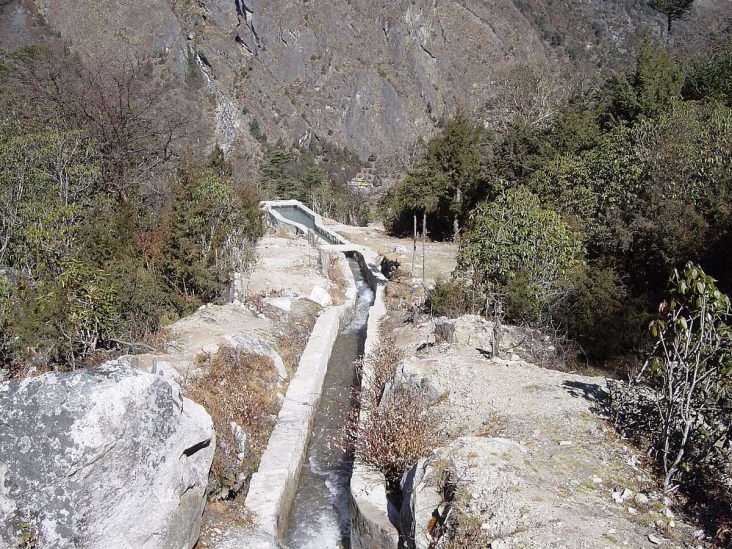
Micro-hydro infrastructure at Ghunsa, Nepal. Contextual photograph; the Kharbang plant discussed here is a different installation.
A light bulb makes a memorable symbol of electricity arriving in a village. A bar of soap tells another part of the story. In Kharbang, Baglung, a women’s cooperative turned access to power into a small soap-making business—an example of what can follow the celebration of that first connection.
Pabitra Giri’s next step
UNDP’s retrospective on mountain energy describes Pabitra Giri’s experience after a micro-hydropower plant began operating in Kharbang in October 2007. Electricity changed household routines and helped make the cooperative’s enterprise possible.
The account identifies the local Girindi Khola plant as a 75-kilowatt system and reports that it powered more than 50 small businesses. Welding, mobile repairs and other activities appear alongside the soap enterprise. A school and community radio station also feature in the story.
This is a historical example, drawn from UNDP’s account, rather than an announcement of a plant opening in 2026. Its value lies in what it shows about the years after installation: people finding uses for electricity that extend beyond lighting a room.
The machinery needs an organisation around it
The government–UNDP Renewable Energy for Rural Livelihood programme describes work that ranges from construction supervision to local institution-building, technical training and productive uses of energy. It grew out of the earlier Rural Energy Development Programme, with the Alternative Energy Promotion Centre as a central partner.
Its published achievements include mini-hydro and solar systems supporting small enterprises, as well as work on billing and management. The programme account makes an often invisible point: supplying electricity also involves people organising payments, learning skills and keeping a system running.
It is tempting to tell a renewable-energy story entirely through machinery. But the cooperative, technician, local committee and small business are part of the infrastructure too. Without those relationships, a turbine is only one piece of an unfinished arrangement.
Measure the possibilities people can use
A good way to understand village energy is to ask what becomes possible during an ordinary week. Can a machine run when it is needed? Can a business plan around the supply? Is there someone available when a component fails?
These questions do not diminish the achievement of bringing electricity to a difficult location. They explain why that achievement matters. The goal is a service people can rely on and build around.
Kharbang’s soap enterprise gives that ambition a recognisable form. A small river becomes useful power; useful power becomes work; work gives a household another option. Nepal’s energy story can be told at that scale, one practical possibility at a time.
From the OMG Nepal archive: Tech Innovation in Nepal.
Sources and further reading
Sources checked October 6, 2026. Event details may change; historical dates are stated in the story.
Cover photo: Canal forebayMicroHydroNepal.jpg by Nirmaljoshi / Wikimedia Commons. CC BY-SA 4.0. Resized for web; thumbnail display may crop.