

 OMG Nepal
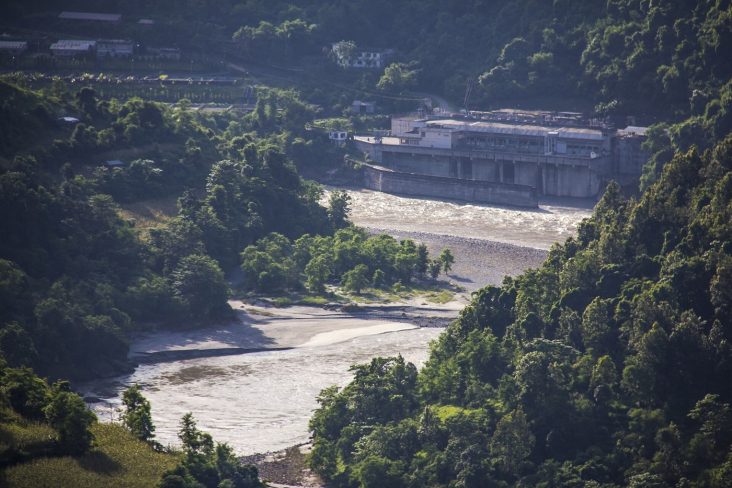
Kaligandaki hydropower infrastructure in 2013. Contextual photograph; not either plant supplying the reported export.
Nepal has resumed supplying electricity to Bangladesh through India’s transmission network, according to an October 25 Kathmandu Post report citing the Nepal Electricity Authority. The reported restart restores a 40-megawatt export arrangement and puts an easily overlooked part of regional cooperation back in view: the connections between power plants, grids and neighbouring countries.
A restart with different plants
The Post reports that deliveries resumed on Friday evening after replacement generating plants received approval. It identifies Solu Khola and Kabeli B1 as the approved sources for Bangladesh, following the earlier interruption linked to damage at the previously designated plants.
The article cites NEA managing director Dirghayu Kumar Shrestha on the new approvals. The arrangement uses India’s transmission infrastructure, making this a three-country electricity connection rather than a direct Nepal–Bangladesh power line.
Read the units carefully
Forty megawatts describes the power being supplied under the arrangement. It is not a count of households served and should not be converted into one without assumptions about use and operating time.
That distinction matters when sharing energy headlines. A capacity figure, the amount of electricity actually delivered over a period and the revenue earned answer different questions. Keeping them separate makes the achievement easier to understand rather than less impressive.
Why the connection deserves attention
The reported seasonal agreement covers supplies from June 15 to November 15. The October restart therefore comes within an established delivery window, rather than announcing an entirely new year-round arrangement.
For readers following Nepal’s energy story, the useful questions now concern continuity: how much electricity is delivered, how reliably the network operates and how the arrangement develops over time. Those are better measures than treating one announcement as proof that every obstacle has been solved.
The restart is a concrete development worth recognising. Its wider significance lies in a practical idea: electricity generated in Nepal can reach a customer beyond its immediate neighbour when the infrastructure and arrangements work together.
From the OMG Nepal archive: When a Small River Powers a Bigger Life: Nepal’s Micro-Hydro Story.
Sources and further reading
Sources checked October 26, 2026. Historical dates are stated in the story; announced event details may change.
Cover photo: Kaligandaki Hydro Electricity – Power House.jpg by Saroj Pandey / Wikimedia Commons. CC BY-SA 3.0. Resized and converted to JPEG for web; theme thumbnails may crop.