

 OMG Nepal
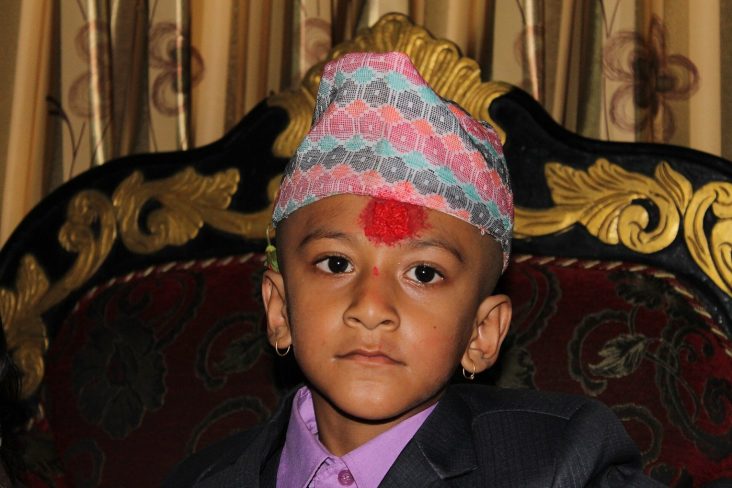
A boy wearing a Dhaka topi. Contextual textile photograph; not a model or design from the NCFT graduate show.
What happens when a fashion designer looks at a field instead of a mood board? At a recent Namuna College of Fashion Technology graduating show, Nepal’s agriculture, architecture and jewellery became starting points for contemporary clothing. The result offers a fresh way to think about heritage as something people can work with, not simply preserve behind glass.
A show rooted in familiar surroundings
The Kathmandu Post’s October 17 account places the show at The Plaza in Lalitpur on October 10, with work by 54 graduating designers. Its themes included farming, traditional ornaments and the forms of Nepal’s built heritage.
One collection drew on crops and agricultural landscapes. Another explored jewellery as part of a garment’s structure rather than an accessory added at the end. The report also describes designs that looked toward imagined technological futures.
The show has already taken place. This is a reflection on its creative approach, not an invitation to an upcoming runway event.
Ask what changed in the translation
The interesting design question is not merely whether a garment looks recognisably Nepali. It is what the designer noticed and how that observation became a shape, material choice or movement.
For anyone studying art or design, that question is useful. Look at an everyday object closely enough to explain what makes it distinctive. Then consider how one quality could inform another medium without copying the object wholesale.
Credit is part of a strong design story
When sharing student work, name the designer and the original event, and use images only with permission or an appropriate licence. An impressive cultural reference is not a reason to erase the person who developed the design.
It also helps to distinguish a creative interpretation from a traditional object made for its original use. Both can be interesting without being interchangeable.
The show’s appeal lies in that conversation between observation and invention. Nepal’s fields, buildings and ornaments can inspire new work, while still inviting questions about the communities and skills from which that inspiration comes.
From the OMG Nepal archive: Discover Nepal's Textile Artistry: Tradition, Innovation and Sustainability.
Sources and further reading
Sources checked October 26, 2026. Historical dates are stated in the story; announced event details may change.
Cover photo: Nepali Topi.JPG by Krish Dulal / Wikimedia Commons. CC BY-SA 3.0. Resized and converted to JPEG for web; theme thumbnails may crop.