
 OMG Nepal
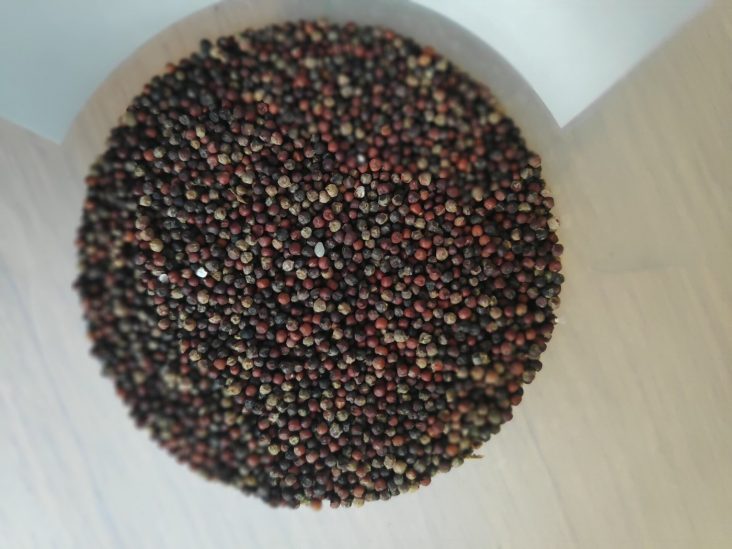
Finger millet photographed in Nepal in 2019. Contextual crop photograph.
A familiar grain can become fashionable without the people who grow it becoming more visible. Nepal’s millet conversation is more interesting when it starts with farmers, everyday food and the work required to keep a crop in use. Kodo deserves that attention beyond a quick superfood label.
A food-system question
A 2023 policy brief from ICIMOD and the University of Reading argues for renewed attention to millets within Nepal’s food system. Its summary identifies declining production and consumption alongside broader pressures on agriculture and changing diets.
That framing asks more than whether someone should try a new dish. It asks what makes a crop worth growing, processing, preparing and choosing again. Those decisions connect fields with kitchens and markets.
A local effort to renew attention
Environmental Resources Institute Nepal reports a National Millets Day gathering in Chaurideurali, Kavre, on August 1, 2026. Its account names collaboration with local government, agricultural organisations, farmers and journalists.
The event is a dated example of people bringing the subject into public discussion. An awareness programme is not, on its own, evidence that production or farmer incomes have risen. Those outcomes would need their own measurements.
Put the grain back into an ordinary conversation
If you are curious about millet, ask a cook or family member how they prepare it and what gives the finished dish its texture. If buying flour, ask about its origin and intended use. Those questions can produce a more useful exchange than asking whether a food is the next trend.
For a café or food writer, identifying the grower, place or preparation accurately gives a menu item substance. Avoid attaching medical promises to a familiar ingredient or treating one crop as the answer to every food challenge.
A lasting revival has to fit ordinary life. It needs people who want to cook and eat the food, as well as people able to grow and supply it. That is the worthwhile story behind kodo: a relationship between taste, work and a crop that deserves to be understood on its own terms.
From the OMG Nepal archive: The Art of the Ring: Why Sel Roti Is a Nepali Celebration in Itself.
Sources and further reading
Sources checked October 26, 2026. Historical dates are stated in the story; announced event details may change.
- ICIMOD / University of Reading — 2023 millet policy brief
- Environmental Resources Institute — August 2026 Millets Day account
Cover photo: Chamre Kodo.jpg by Gaurav Dhwaj Khadka / Wikimedia Commons. CC BY-SA 4.0. Resized and converted to JPEG for web; theme thumbnails may crop.