

 OMG Nepal
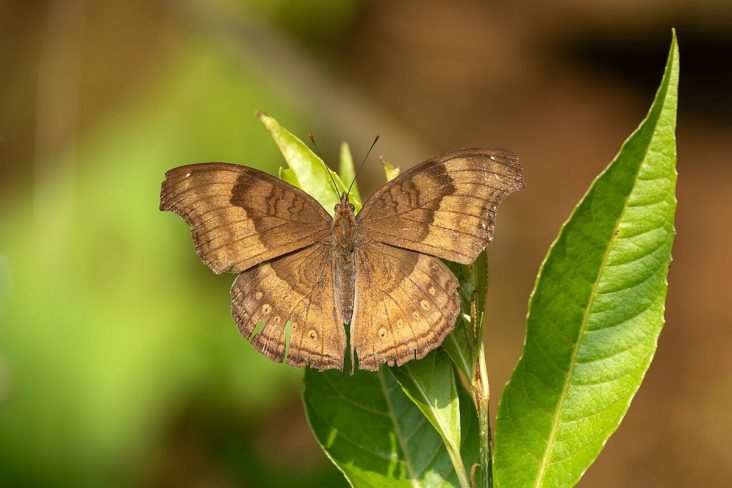
Chocolate pansy butterfly photographed in Kirtipur, Kathmandu. Contextual wildlife image by Sunuwargr; not a photograph from Rana’s book.
Before a wildlife photograph becomes a page in a book, someone has to notice the subject. Ajay Narsingh Rana’s work makes a persuasive case for noticing the small things: an insect on a leaf, a familiar patch of greenery, or a creature encountered again on the same route.
A new book with a long view
Nepali Times’ early-October 2026 feature introduces Rana’s self-published The Wild Wonders of Nepal, a 131-page book drawing together photographs of the country’s natural world. Its account connects his interest in images and wildlife with a childhood influenced by his stamp-designer father and a forester uncle.
The feature describes how the restrictions of 2020 led him to examine life in a small green space near his Kathmandu home. That detail gives the project a particularly inviting scale. A photographer’s curiosity does not always need a distant destination before it has somewhere to go.
This is a report about the book and the photographer’s practice, rather than a claim to have reviewed every page of a physical copy.
Return to the same place and see what changes
Rana’s own August 2026 journal on PrakritiNepal explains a habit of revisiting a route near the northern edge of Kathmandu Valley. He writes about documenting seasonal changes and encountering species that were new to him.
In the same entry, he describes more than fifteen years of photographing insects and other wildlife, and the work of turning that archive into a book. Decisions about printing in Kathmandu and choosing paper appear beside observations from the field.
Those practical details connect two kinds of patience: returning to observe a place and working through the production of a lasting object. The book did not begin when the pages reached the printer. It began with the accumulation of attention over many visits.
A different kind of Nepal photograph
A mountain panorama announces its scale immediately. A close view of an insect asks the viewer to pause and reconsider something easily passed over. Both can change how a place is understood.
Rana’s project offers a welcome invitation to widen the visual story of Nepal. There is room for small habitats, ordinary routes and careful observation alongside the famous views. Following the photographer’s own journal is one way to see that process unfold without assuming every outing produces a spectacular result.
The next interesting detail may already be nearby. Look closely, leave the creature undisturbed and let the observation be worthwhile even if the photograph never happens. Curiosity is a good reason to begin.
From the OMG Nepal archive: Best Wildlife Photographer Of Nepal You Should Know about.
Sources and further reading
Sources checked October 6, 2026. Event details may change; historical dates are stated in the story.
- Nepali Times: The Wild Wonders of Nepal feature
- Ajay Narsingh Rana: August 2026 field and book journal
Cover photo: Chocolate Pansy butterfly (Junonia iphita) in Kirtipur, Kathmandu, Nepal.jpg by Sunuwargr / Wikimedia Commons. CC BY-SA 4.0. Resized for web; thumbnail display may crop.


_in_Kirtipur,_Kathmandu,_Nepal.jpg)