

 OMG Nepal
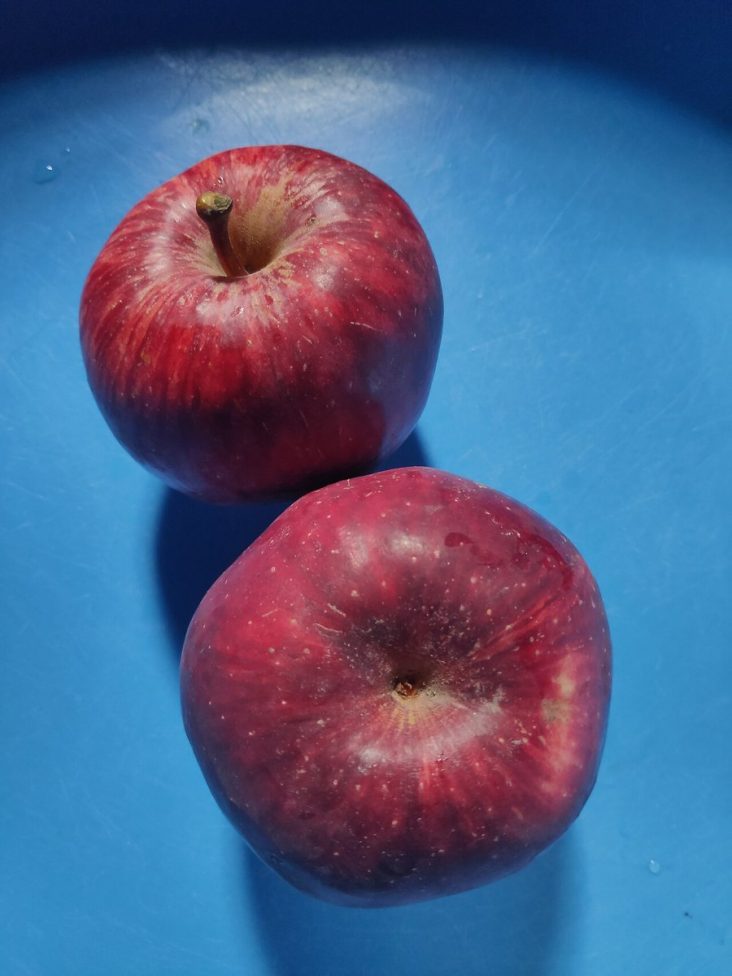
Jumla apples. Contextual produce photograph; not fruit identified with either farmer profiled here.
An apple carries very little evidence of the labour behind it. The finished fruit says nothing about moving water up a slope, deciding when to prune or finding a buyer. A recent account from Jumla brings those decisions back into view—and places women farmers at the centre of the story.
The orchard was already a place of knowledge
In an August 7, 2026 UNDP feature based on an August 2025 visit, Rupsi Buda of Patarasi described the difference that solar-powered lift irrigation and orchard-management training had made to her work. The account also follows Tara Khadka in Tatopani, where sensor-based farming information was being delivered to mobile phones.
UNDP describes women growing vegetables and tending orchards while maintaining crops such as chino, kaguno and Jumli Marshi rice. That combination matters. The story concerns experienced farmers adding tools to their practice, rather than outsiders discovering an empty landscape in need of ideas.
These are programme participants’ reported experiences. They should not be read as a measurement of every orchard in Jumla, or as proof that all the difficulties of mountain farming have disappeared.
The journey continues after the fruit is picked
The Renewable Energy for Resilient Agri-Food Systems project, or RERAS, connects energy with irrigation, processing, storage, packaging and marketing. Its published scope covers selected municipalities across ten districts, not Jumla alone.
The project page reports links between farmer groups or cooperatives and school-meal programmes, alongside rehabilitation of micro-hydropower plants and support for lift irrigation. Those activities show why a farming story cannot end at production. Food needs somewhere to go, and the equipment behind it needs dependable energy.
UNDP’s stated approach also includes women’s involvement in decisions and attention to reducing workloads. That offers a useful measure of progress: whether a new tool changes the work people actually do, who controls the resulting opportunities and what happens beyond a demonstration.
Taste the apple, remember the farmer
Jumla is easy to admire as a landscape. Looking at the orchard as a workplace adds another reason to pay attention. Water, knowledge and access to markets are part of the region’s beauty because they help people sustain a life there.
For a reader sharing this story, the most meaningful detail is the connection between something familiar and something easily overlooked: an apple on a table and a farmer deciding how to grow it. The next time Jumla’s produce appears in a shop, there is a richer conversation to have than simply asking where it came from.
From the OMG Nepal archive: The women opening Panauti’s doors to the world.
Sources and further reading
Sources checked October 6, 2026. Event details may change; historical dates are stated in the story.
Cover photo: Jumli Apple.jpg by Gaurav Dhwaj Khadka / Wikimedia Commons. CC BY-SA 4.0. Resized for web; thumbnail display may crop.