

 OMG Nepal
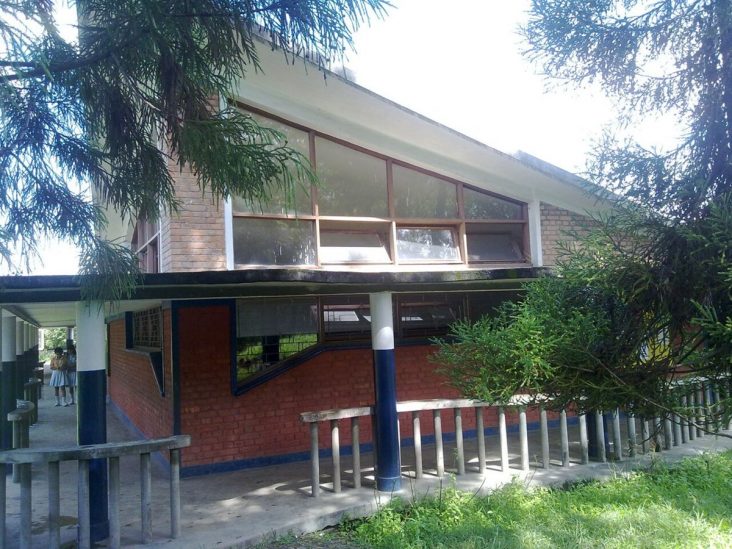
Classroom exterior at Laboratory School, Nepal. Contextual school photograph; not either classroom profiled in this story.
A basket can be a teaching material. So can a stone, a shape or a familiar object from home. In one Kalikot classroom, the question of what young children should learn became inseparable from how they were allowed to learn it—and a teacher named Basanta kept making that case.
A classroom changed direction
UNICEF’s June 2025 account describes Basanta’s concern when Pancha Basic School shifted toward rigid subject-based teaching for its youngest learners. The changes restricted the use of Nepali and locally sourced learning materials.
She continued advocating for a more holistic approach. Following work involving UNICEF, Social Awareness Center Nepal and the local government, the school returned to play-based learning. The report describes parents later contributing familiar objects, including a doko basket, to the classroom.
The detail is striking because the object itself is ordinary. What changed was its place in learning: something from daily life became a resource children could use to explore and understand.
Another classroom, a similar discovery
A September 2025 UNICEF feature follows Indra Kumari Thapa at Shree Balbhairab Primary School in Dailekh. After early-childhood training, her teaching incorporated more hands-on activity and opportunities for children to ask questions.
The account describes children practising tasks such as fastening clothes, counting stones and arranging shapes. It also records a system of meetings through which teachers from local early-childhood centres shared experiences and difficulties.
These are two reported examples rather than a nationwide evaluation. Together, however, they make a practical point about change: materials, training and support for teachers belong in the same conversation. Asking a teacher to do something differently is more useful when there is time and help to learn how.
Curiosity has a place in the timetable
An adult looking into a lively classroom may not immediately see everything a child is practising. A question, a turn taken in a game or the effort to describe an object can be part of learning too.
The stories from Kalikot and Dailekh invite a more attentive kind of interest in schools. Look at what children are able to do, how teachers respond and whether the classroom makes room for participation. A pile of worksheets is only one possible sign of activity.
Basanta’s persistence makes this a story about professional judgement as well as childhood. She saw value in an approach, kept explaining it and helped create room for it to return. The basket on the classroom floor is a small object carrying a much larger lesson.
From the OMG Nepal archive: Nepal Educational System Landscape: Recent Reforms and Ongoing Challenges..
Sources and further reading
Sources checked October 6, 2026. Event details may change; historical dates are stated in the story.
Cover photo: Classroom exterior of Laboratory School.jpg by WrackAce / Wikimedia Commons. CC BY-SA 4.0. Resized for web; thumbnail display may crop.